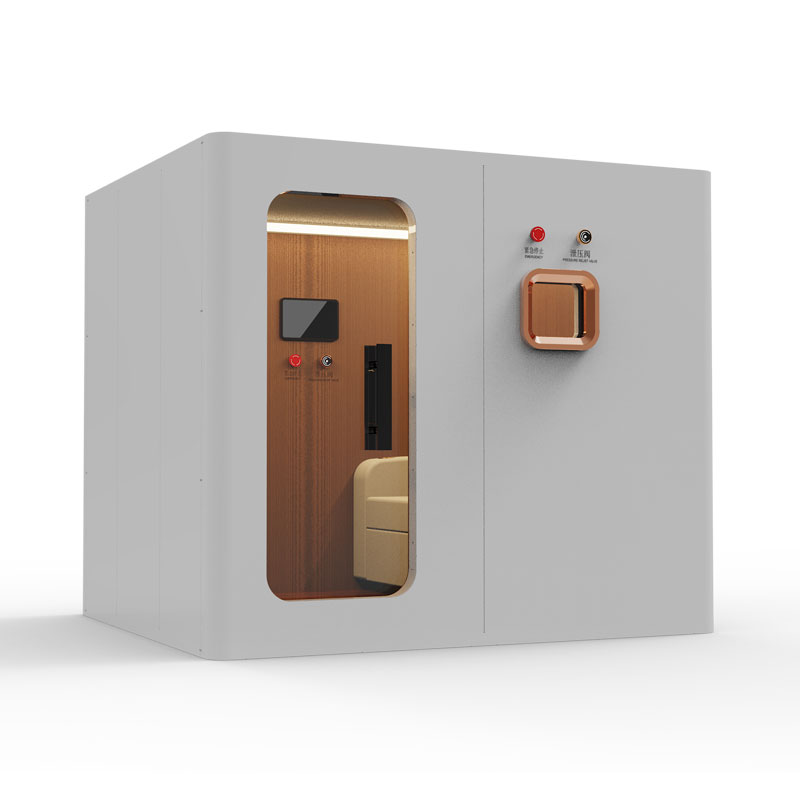
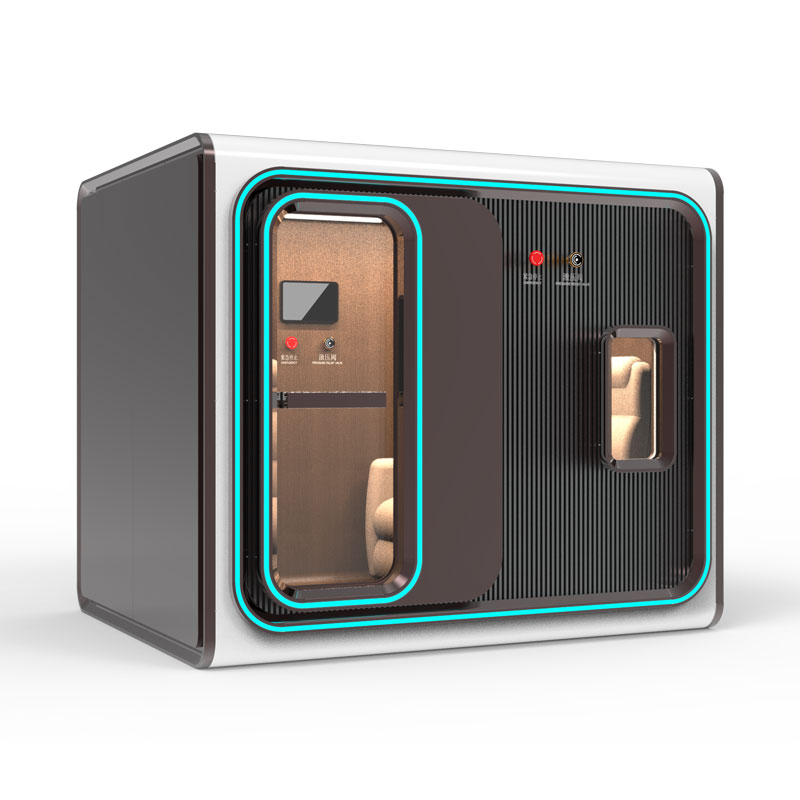
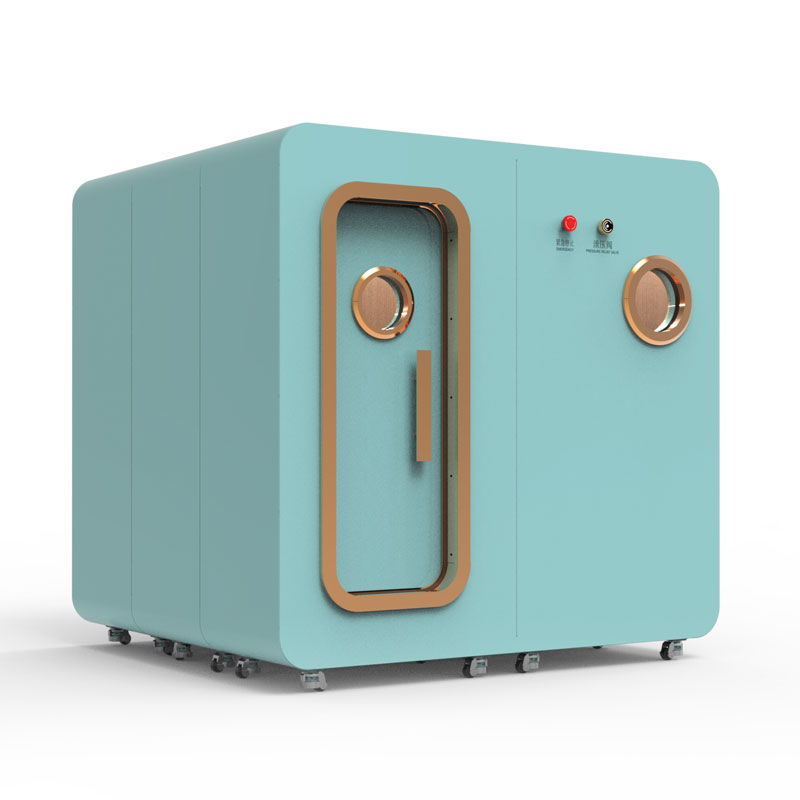
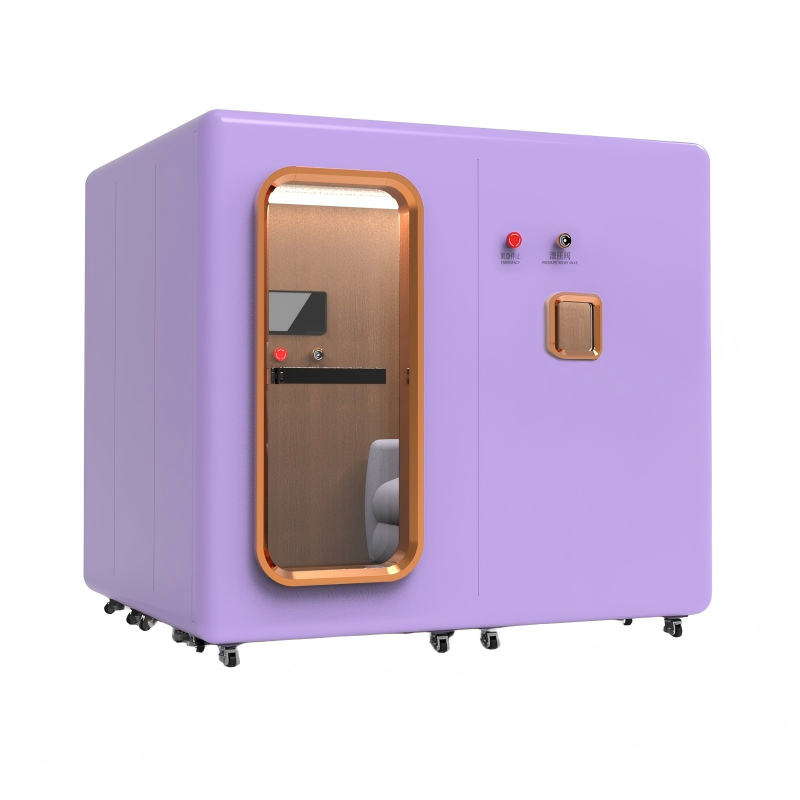
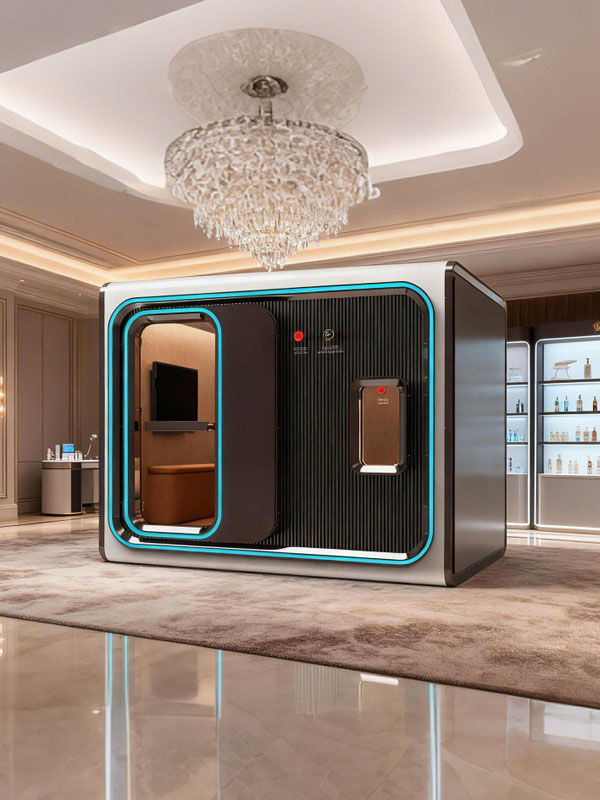
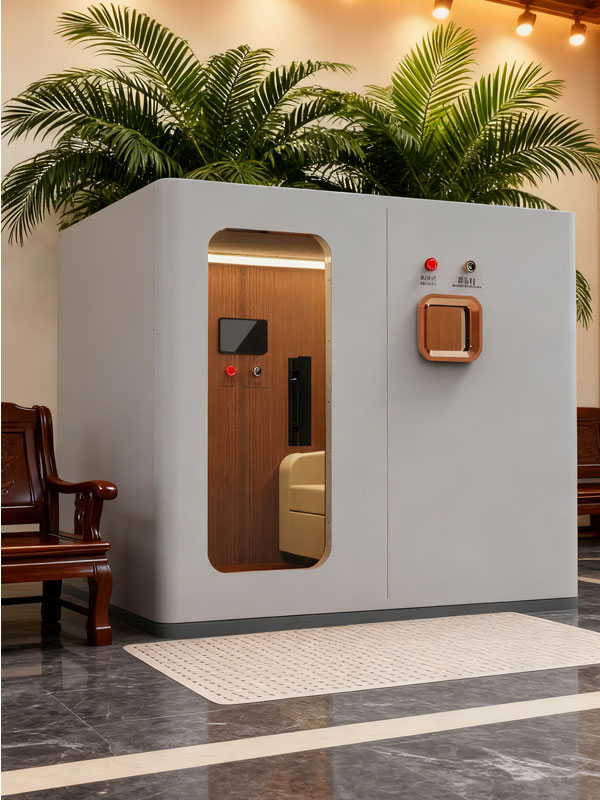
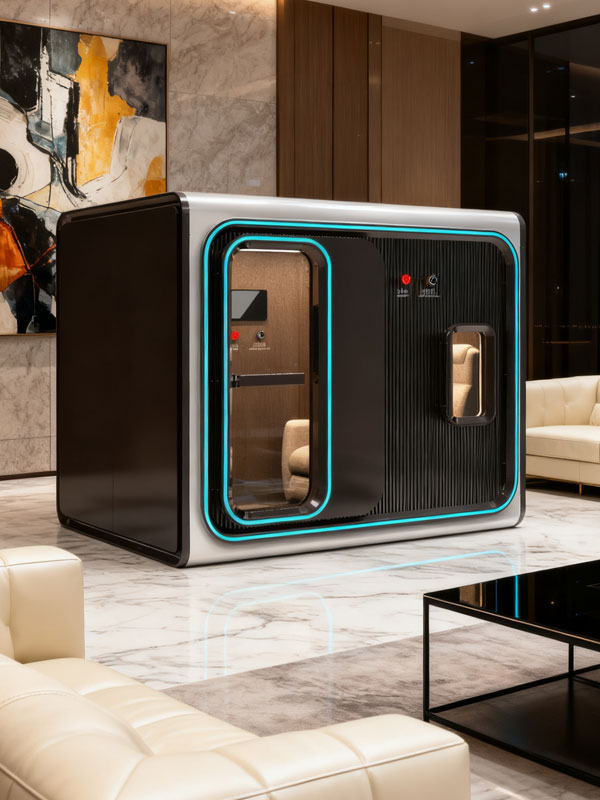
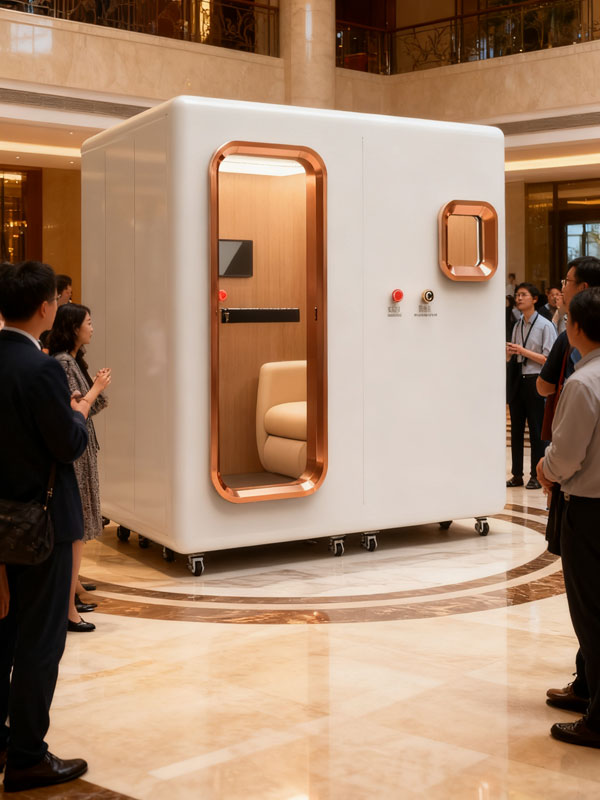
Oxygen Chamber Manufacturer – Why Choose OxyMega

Micro High-Pressure Oxygen Chamber Manufacturer, Providing One-Stop Intelligent Oxygen Chamber Customization Solution Service!

Support OEM / ODM

Personalized Customization Based On Customer Usage Environment And Application Scenarios, Providing One-Stop Oxygen Chamber Solutions!

Professional Technical Team

The Company Has Professional Personnel And Teams In Oxygen Chamber Exterior Design, Steel Structure Design, And Processing Technology.

Source Factory Support

Complete Integration Of Factory Supporting Resources, With No Intermediaries At The Source Factory To Earn Price Differences.

After-Sales Service

Customer Service Personnel Are Available 24/7, Providing Quick Response And Feedback On Issues, And Offering Quick Solutions To Help You Solve Problems!

Products And Services

Oxygen Chamber Manufacturer, Providing One-Stop Intelligent Oxygen Chamber Solutions!

OxyMega Oxygen Chambers: Global Deliveries Underway……

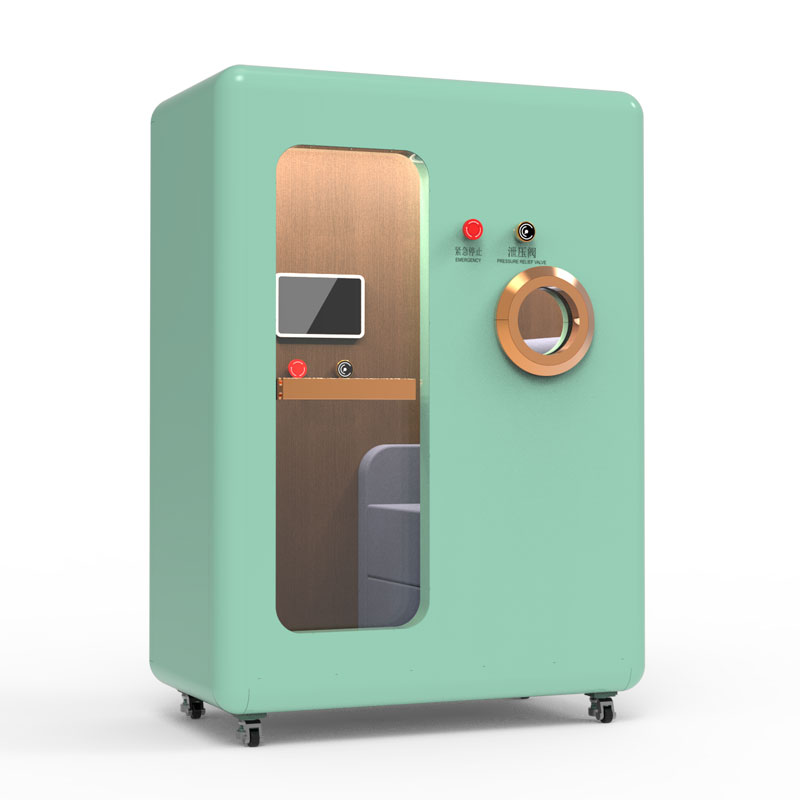
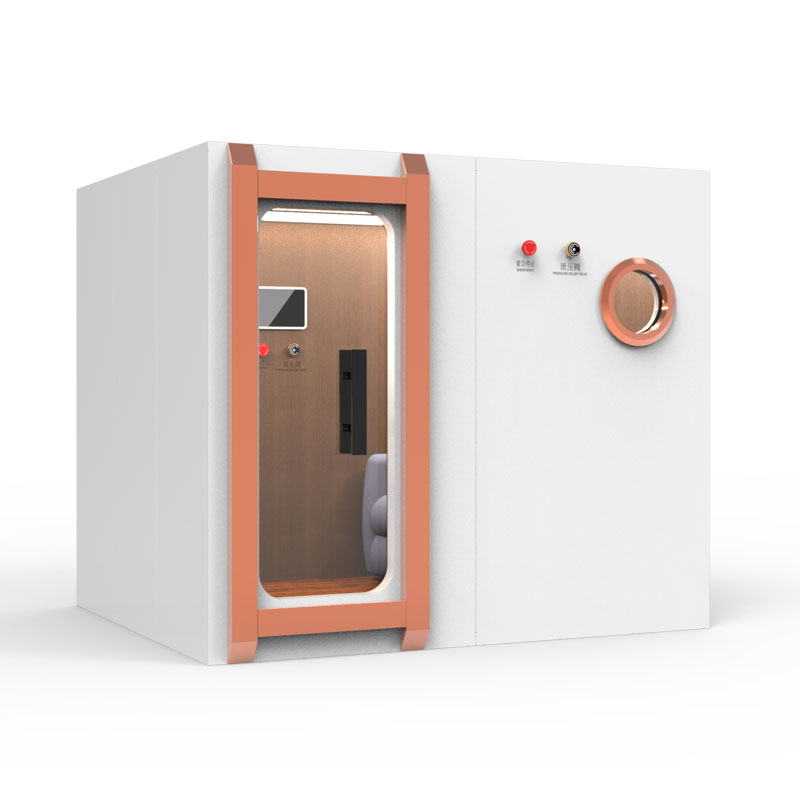
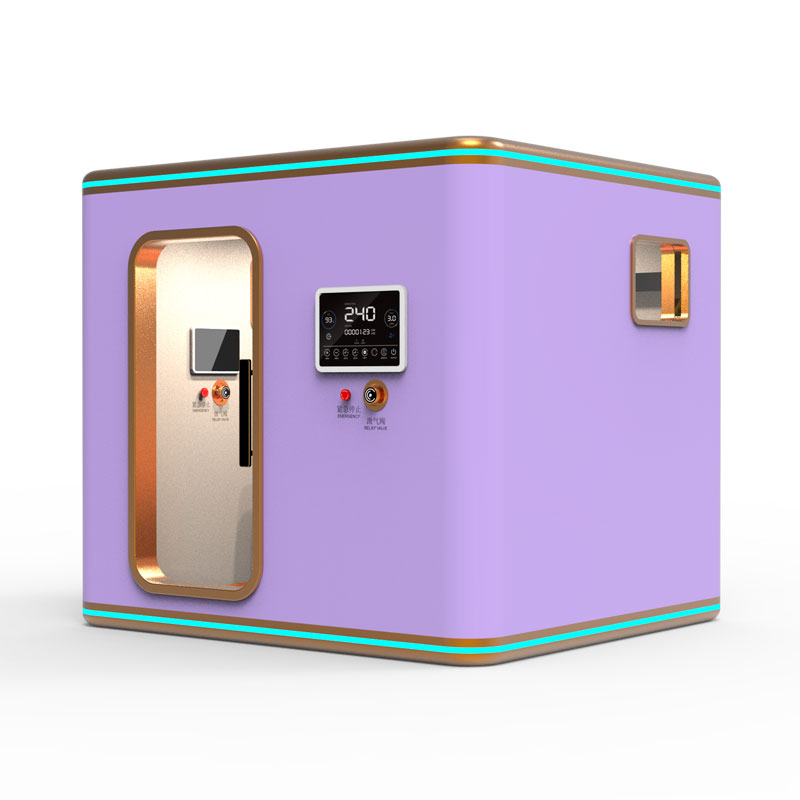
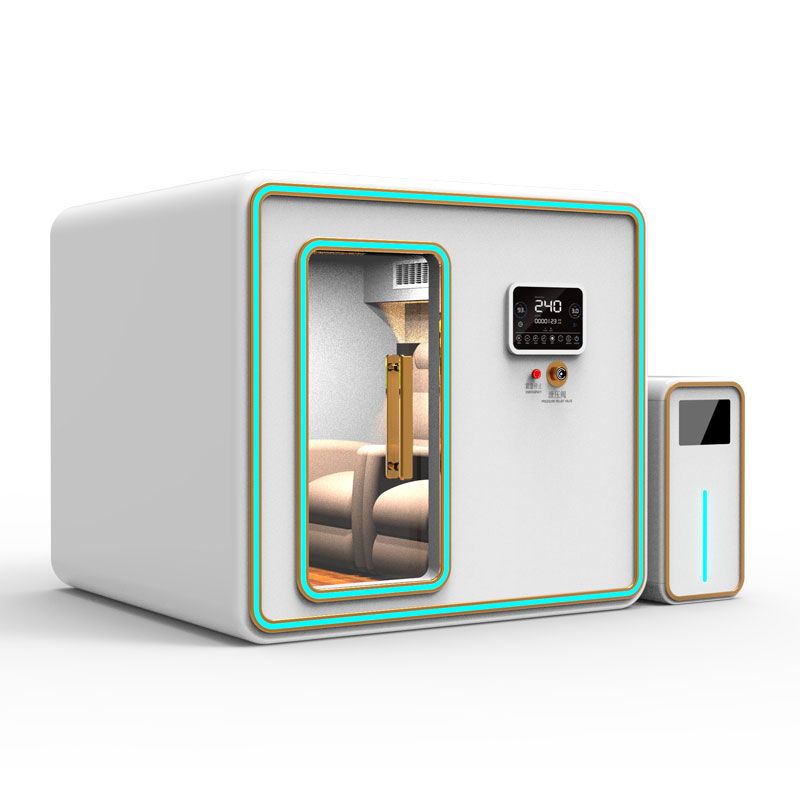
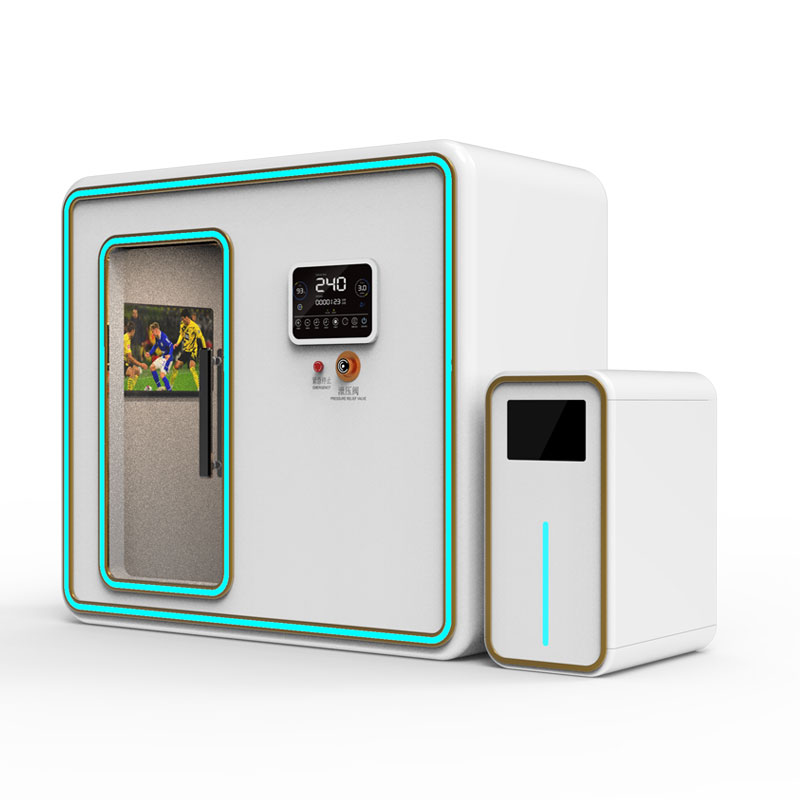
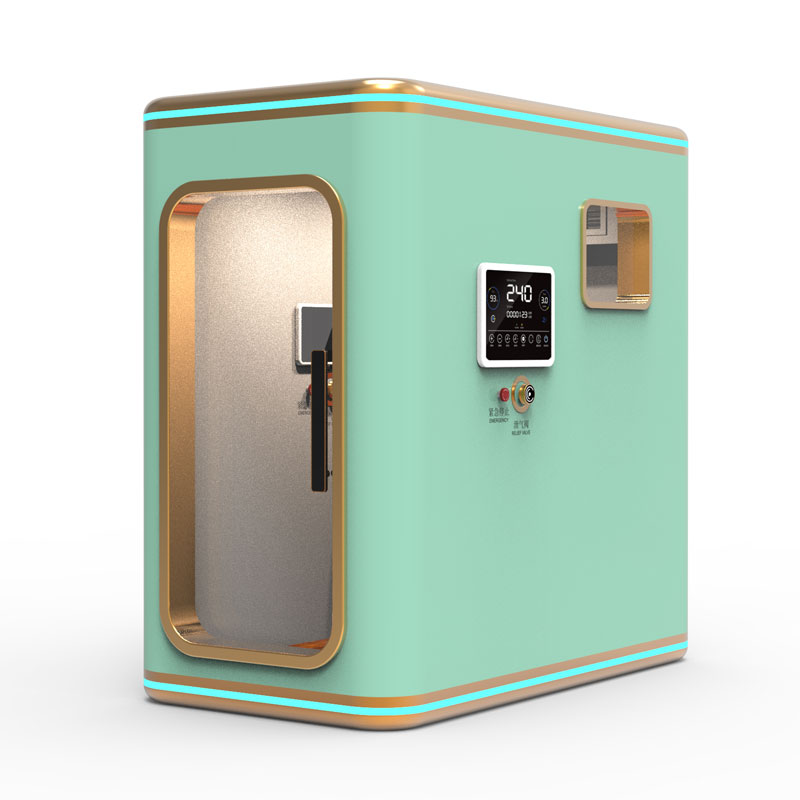
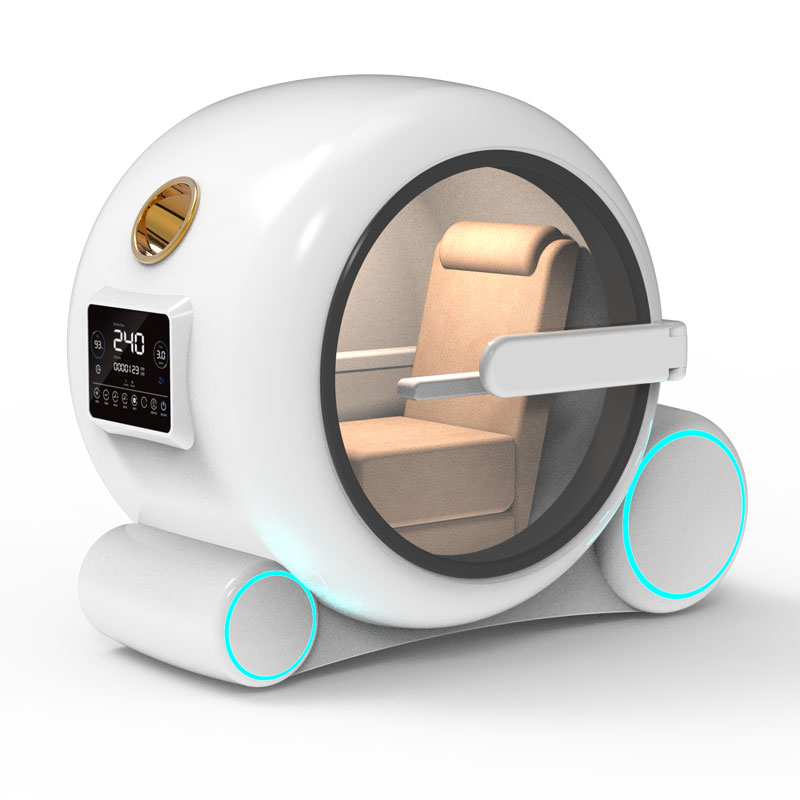
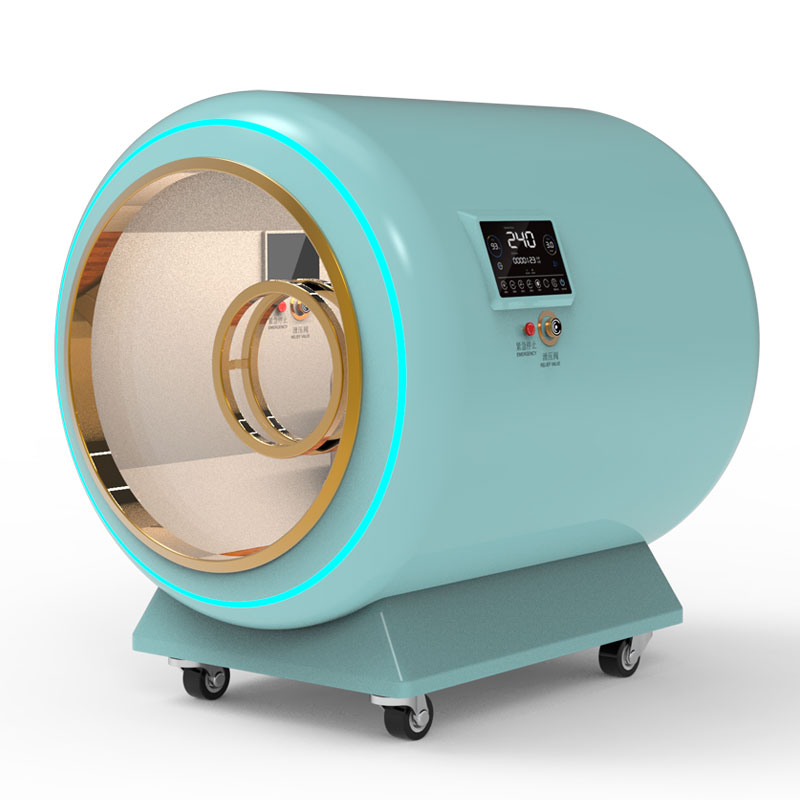
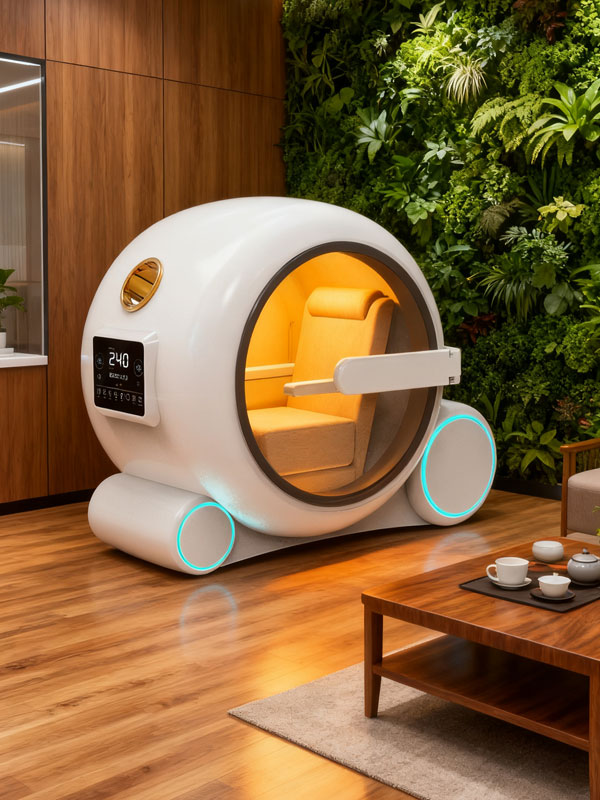
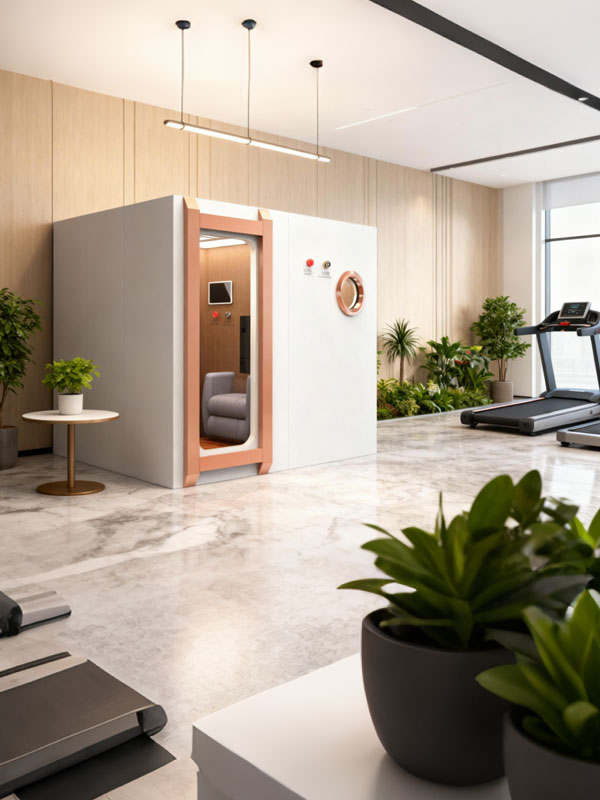
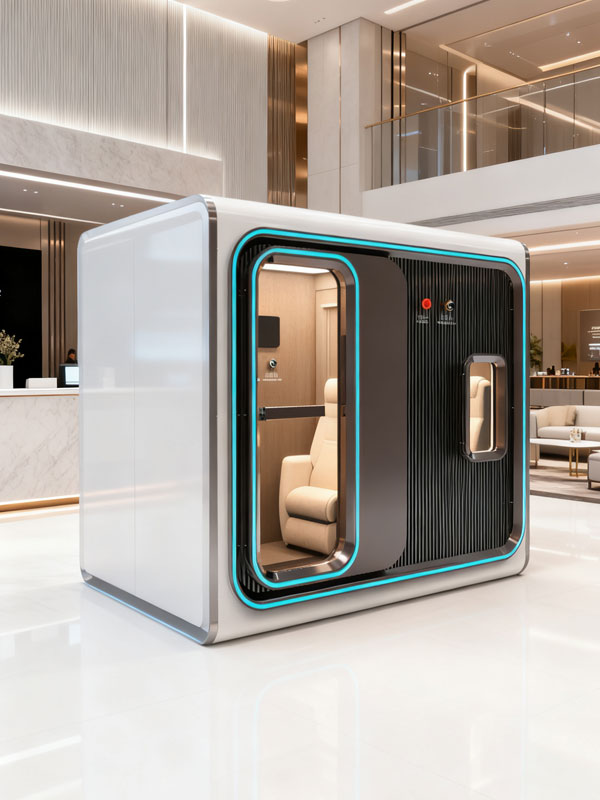
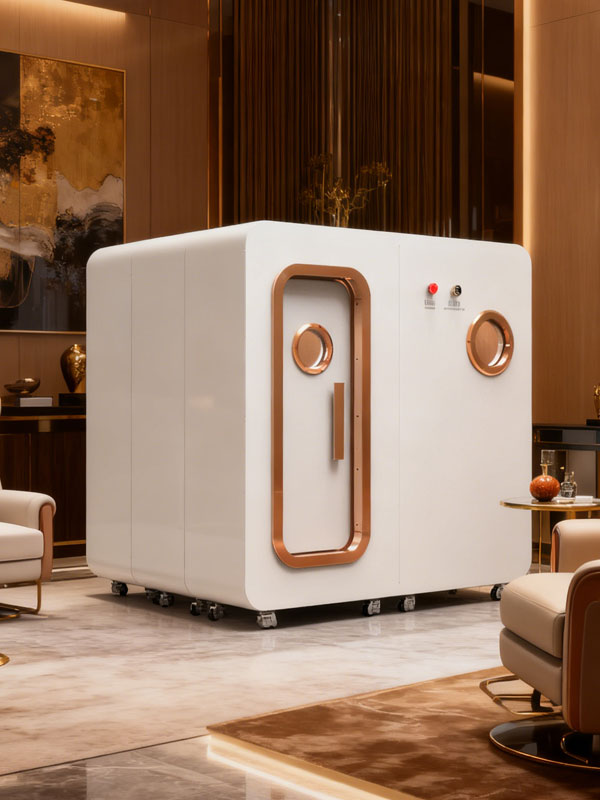
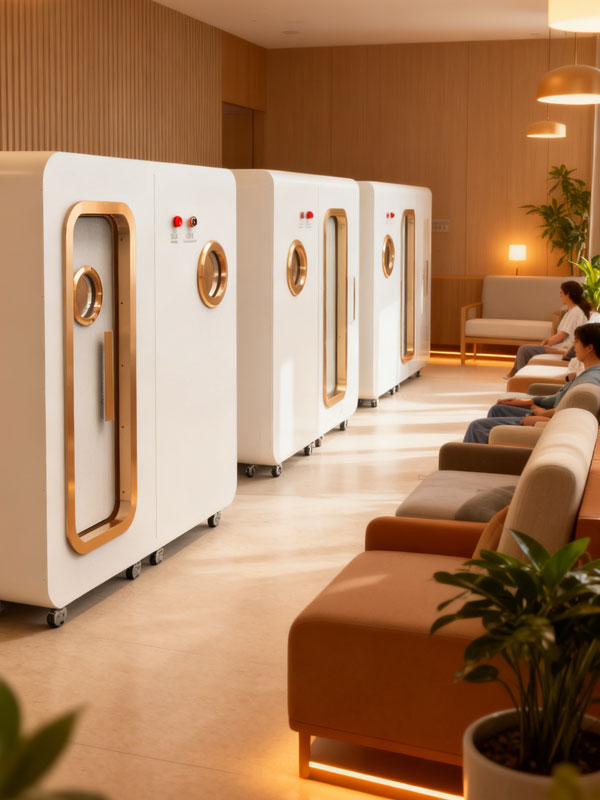
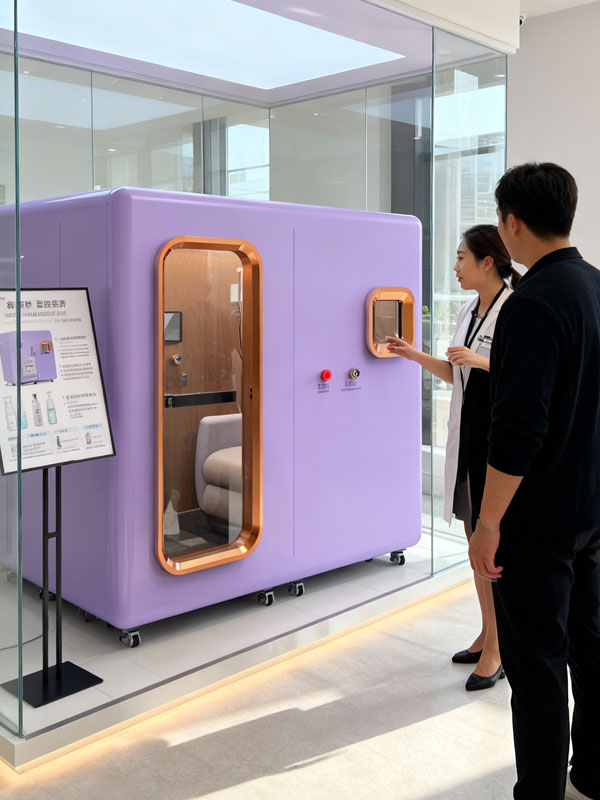
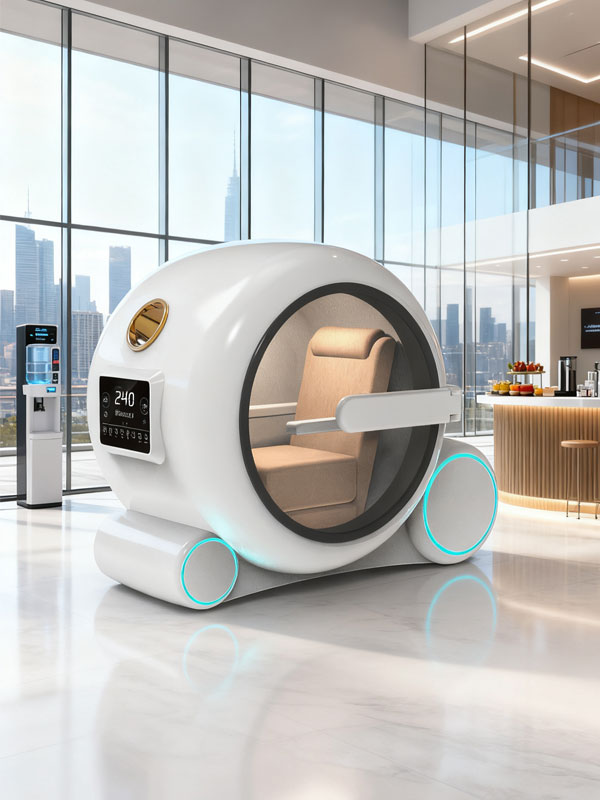
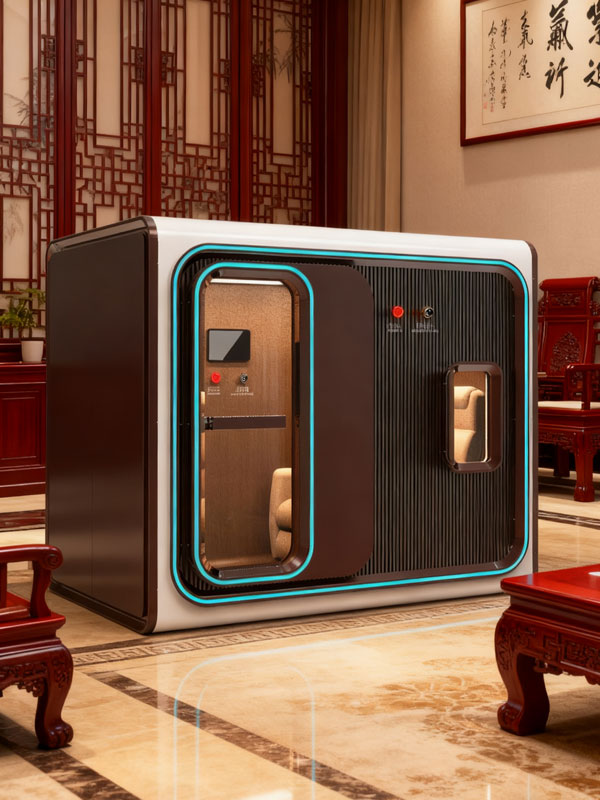
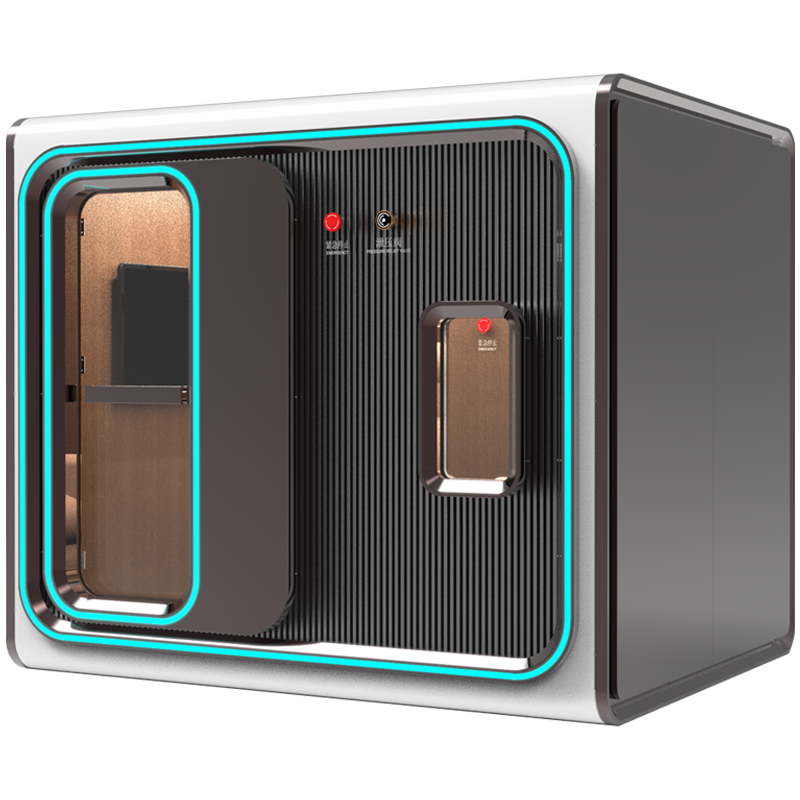
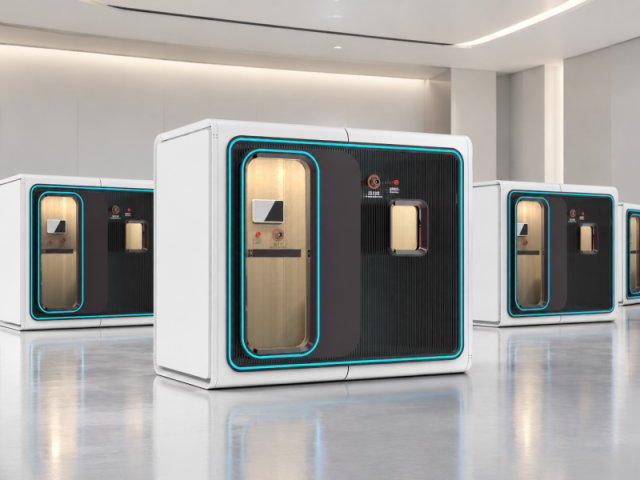
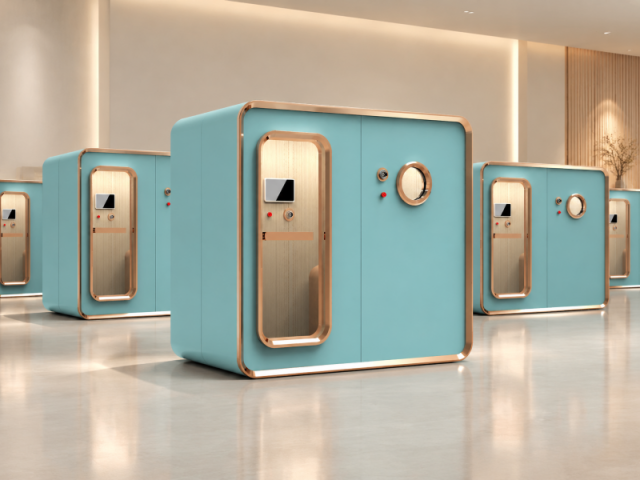
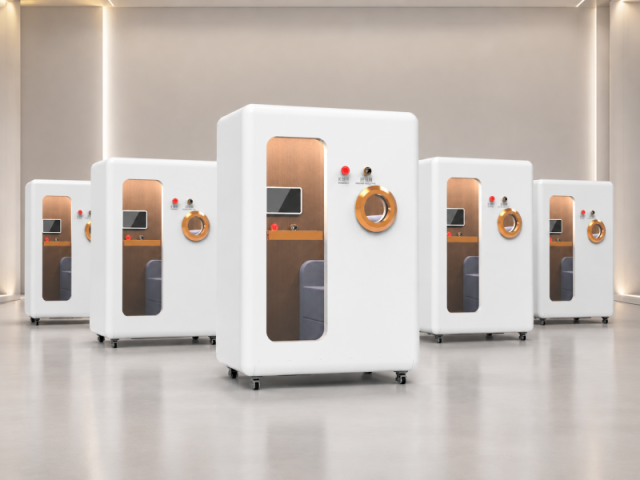
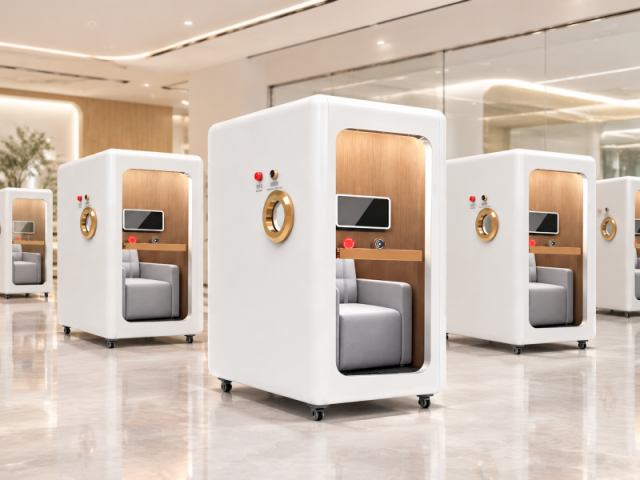
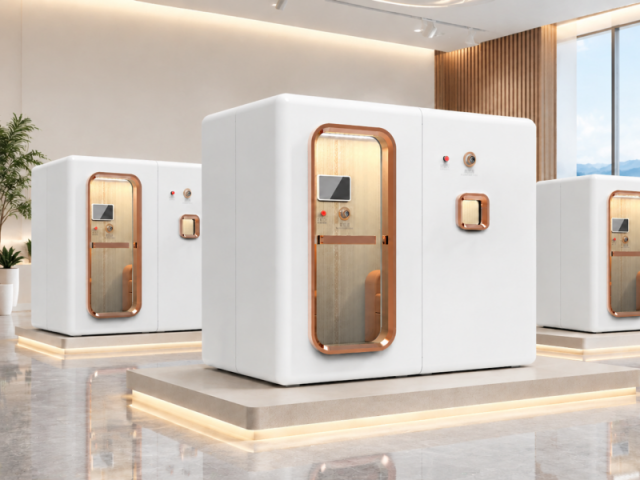
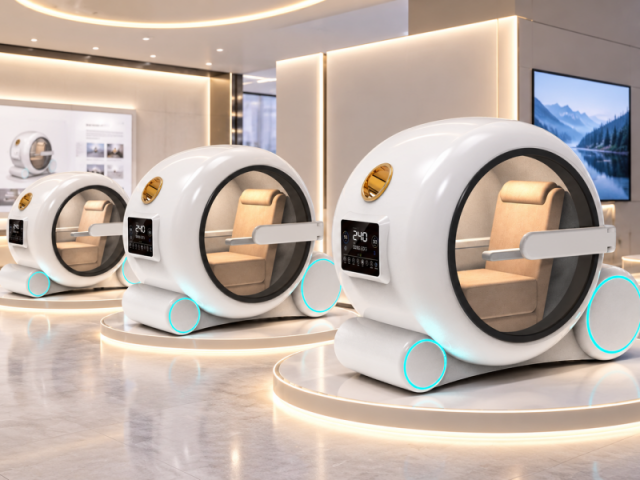
OxyMega provides one-stop, customized smart oxygen chamber solutions for home, office, and commercial applications.

微高压氧舱厂家

Medical Aesthetics Institution

氧舱生产厂家

Wellness and Care Institutions

高压氧舱厂家

Private Club

高压氧舱十大品牌

Physical Therapy & Wellness Center

微高压氧舱

Upscale Wellness Center

高压氧舱生产厂家

Chain Gym

微高压氧舱十大品牌

Upscale Hotel

微压氧舱生产厂家

Entrepreneur’s Office

微压氧舱十大品牌

Physical Therapy Facility

氧舱生产厂家

Medical Aesthetics Institution

家用微压氧舱

High-end Office Building

微高压氧舱品牌

High-End Private Club

OxyMega – Oxygen Chamber Product Advantages

Our oxygen chamber factory provides one-stop, customized oxygen chamber solutions!

1

Pressure Balance

Oxygen chamber pressure balancing technology maintains stable atmospheric pressure within the chamber.

2

Patented Technology

Advanced, patented oxygen generation technology features low energy consumption and a longer service life.

3

Eco-friendly and Energy-efficient

Internal and external air circulation, with an air exchange rate of 20 m³/h.

4

Materials for the Defense Industry

High-quality steel structural materials, meeting aerospace-grade process requirements.

5

Interactive System

User-friendly interaction system, wireless mobile phone charging.

奥米迦氧舱
6

Triple Pressure Relief

Intelligent pressure relief control, multi-layer protection design, pressure gradient adjustment.

7

Smart Monitoring System

Real-time monitoring and control system; emergency pressure relief response.

8

Comfortable Space

First-class comfort seating, supercar-grade interior materials.

9

Fresh and tranquil

Nanoscale air purification system and noise-reduction technology ensure a tranquil and serene environment.

10

VIP Customization

We offer exclusive, personalized, and bespoke solution services.

Popular Oxygen Chamber News

Oxygen Chamber Manufacturer: Providing One-Stop, Intelligent, and Customized Oxygen Chamber Solutions!

Get The Quote Now

    50Oxygen Chamber Product Series
    100Design and Technical Team
    200Client Case Studies
    36524-Hour Service Hotline

    Oxygen Chamber FAQs

    Oxygen Chamber Manufacturer – Providing Solutions for Diverse Market Needs: Home, Commercial, Medical, High-Altitude, and More!

    While micro-hyperbaric oxygen chambers are supported by clear scientific principles, their efficacy is often exaggerated; consumers should view them with a rational perspective. They are not a “scam” designed to exploit consumers, but neither are they a “miracle cure-all.” According to the QB/T 8049-2024 standard—which takes effect in July 2025—home-use micro-hyperbaric oxygen chambers are classified as consumer electrical appliances. They feature a maximum pressure limit of ≤1.5 ATA and maintain an oxygen concentration within a diffusion range of 21% to 35%; their primary applications are daily wellness maintenance, fatigue recovery, post-exercise recuperation, and the management of sub-optimal health conditions. Experts in hyperbaric oxygen therapy at the Union Hospital affiliated with Fujian Medical University note that while micro-hyperbaric oxygen chambers can indeed improve certain physiological conditions by increasing blood oxygen levels, claims regarding benefits such as “anti-aging”—often touted by manufacturers—remain a subject of debate within the scientific community due to insufficient supporting research data. Consequently, consumers are advised to approach such claims with a critical and rational mindset. Feedback from numerous medical experts and long-term users indicates that the effectiveness of micro-hyperbaric oxygen chambers varies from person to person; typically, a course of treatment requires 10 to 15 sessions, and optimal results depend on being integrated into a broader regimen of fundamental health management—including a regular sleep schedule and a balanced diet.

    Micro-hyperbaric oxygen chambers hold potential for anti-aging; the theoretical basis lies in optimizing cellular energy metabolism, mitigating oxidative stress, and promoting cellular repair. However, the efficacy varies from person to person, requires consistent use, and is not yet supported by sufficient existing research data. The core mechanism by which micro-hyperbaric oxygen chambers delay cellular aging involves optimizing oxygen supply and utilization to improve cellular energy metabolism, enhance repair capabilities, and alleviate oxidative stress. A hyperoxic environment can activate the body’s natural antioxidant systems—such as superoxide dismutase (SOD)—to scavenge free radicals (the primary culprits behind aging) and inhibit skin aging and sagging. Nevertheless, it is worth noting that experts from Peking Union Medical College Hospital have explicitly stated: “Current research data regarding anti-aging effects remain insufficient; the public should view these claims with a rational perspective.” Comprehensive and long-term anti-aging effects still require further large-scale clinical studies to be substantiated.

    It can provide short-term improvements in memory and alleviate fatigue; the underlying mechanism involves enhancing oxygen delivery to the brain, though its long-term efficacy requires further research for substantiation. Han Guojing, Deputy Director of the Department of Respiratory Medicine at the First Medical Center of the PLA General Hospital, explains: “Chronic sleep deprivation and high-intensity work can render the brain susceptible to a state of ‘subclinical hypoxia.’ This is, in fact, one of the primary reasons why people experience profound physical and mental exhaustion; in such instances, oxygen inhalation can indeed temporarily ameliorate the body’s hypoxic state, thereby allowing individuals to briefly regain a state of well-being.” Dr. Lü Xiaochai of Fujian Union Hospital notes that hyperbaric oxygen therapy can improve oxygen delivery to brain tissue by increasing blood oxygen levels, offering an adjunctive therapeutic benefit for Chronic Fatigue Syndrome. However, the effects observed after merely one or two sessions are predominantly short-term improvements, and the long-term efficacy of such treatment remains a subject requiring further research.

    They cannot be substituted for each other. The two are fundamentally different in working pressure, oxygen concentration, regulatory standards and application purposes. Household mild hyperbaric oxygen chambers cannot be used to treat diseases that require medical hyperbaric oxygen therapy.

    Comparison Dimension Household Mild Hyperbaric Oxygen Chamber Medical Hyperbaric Oxygen Chamber
    Working Pressure 1.1–1.5 ATA 2.0–3.0 ATA
    Oxygen Concentration 21%–35% (diffused oxygen supply) ≥99% (pure oxygen via mask inhalation)
    Regulatory Standard Light Industry Standard QB/T 8049-2024 Class III Medical Device + Special Equipment
    Operation Qualification No professional qualification required Operated by licensed medical staff
    Application Purpose Daily health care and fatigue recovery Emergency treatment and severe rehabilitation

    As clearly stated in an interview with the National Health Commission of China: “Medical hyperbaric oxygen chambers are regulated as pressure vessels due to requirements on chamber design pressure and capacity, while civilian hyperbaric oxygen chambers with a design pressure below 2.0 atmospheric pressure are not classified as medical devices.”

    Specialists from Shanghai Ninth People’s Hospital pointed out: “Most commercial mild hyperbaric oxygen chambers operate below 1.5 atmospheric pressure. Using them to treat conditions requiring formal hyperbaric oxygen therapy may delay medical treatment.” Substitution between the two is strictly prohibited.

    The following individuals present absolute or relative contraindications; therefore, they must undergo a rigorous medical evaluation by a physician prior to use.

    Absolute Contraindications (Use Strictly Prohibited):
    1. Patients with untreated pneumothorax or pulmonary bullae—lung tissue may rupture under hyperbaric conditions.
    2. Patients with uncontrolled malignant tumors.
    3. Patients with untreated active bleeding.

    Individuals Requiring Extreme Caution (Use Permitted Only After Physician Evaluation):
    1. Patients with hypertension (systolic blood pressure > 160 mmHg or diastolic blood pressure > 100 mmHg).
    2. Patients with bradycardia (heart rate < 50 beats/minute).
    3. Patients with severe emphysema, pulmonary bullae, or pulmonary cysts.
    4. Pregnant women (particularly during the first and third trimesters)—high concentrations of oxygen may interfere with fetal cell differentiation.
    5. Patients with epilepsy—hyperbaric oxygen may trigger seizures.
    6. Patients with claustrophobia—enclosed spaces may trigger panic attacks.
    7. Individuals currently taking Disulfiram or anti-tumor medications (e.g., Doxorubicin, Cisplatin, Bleomycin, etc.).
    8. Patients with severe sinusitis or suppurative otitis media.
    9. Individuals with implanted medical devices, such as cardiac pacemakers or implantable defibrillators.

    Individuals Requiring Relative Caution (those with colds accompanied by nasal congestion, acute-stage otitis media, or severe cardiopulmonary insufficiency) also require a medical evaluation by a physician to determine the appropriateness of use.

    Leading brands have successfully minimized this sense of discomfort through the integration of intelligent control systems and user-friendly pressure adjustment mechanisms. During the pressurization or depressurization phases, some individuals may experience a mild sensation of pressure on the eardrums or slight chest tightness; these are normal physiological responses that are typically transient and self-regulating. High-quality mild hyperbaric chambers are equipped with precise and stable pressure control systems, ensuring a gradual and gentle adjustment process that effectively prevents physical discomfort caused by sudden fluctuations in pressure.

    While it holds positive significance for certain individuals suffering from insomnia, its long-term efficacy still requires further research for confirmation. Lu Xiaochai, a physician in the Department of Hyperbaric Oxygen Therapy at Fujian Union Hospital, notes that in clinical practice, there are indeed patients troubled by insomnia who have benefited from hyperbaric oxygen therapy: “Previously, a young adult in their twenties—who suffered from chronic insomnia and insufficient deep sleep duration—saw an increase in deep sleep time after undergoing just one or two sessions of hyperbaric oxygen therapy. The majority of those seeking this treatment are elderly patients with insomnia; whereas they previously struggled to sleep through the night, they are now able to sleep soundly and continuously after receiving treatment.” However, the expert simultaneously emphasizes that “the results observed after one or two sessions are often merely short-term improvements, and long-term effects require further research to substantiate”; thus, it is not a universal cure for insomnia.

    Both soft and hard hyperbaric oxygen chambers have their own advantages and applicable scenarios, and there is no absolute “better” one. The choice depends on usage needs, budget, placement space and functional requirements.

    Soft Hyperbaric Chamber

    1. Advantages

      Lightweight and portable, it can be folded and moved easily, suitable for home use, outdoor sports recovery and small studio placement. Low cost, affordable for individual users. No special fixed installation required, small floor space, and flexible placement. The pressure is mild, generally suitable for daily health care, sub-health conditioning and sports fatigue recovery.

    2. Disadvantages

      Low maximum pressure resistance, cannot reach the high-pressure standard of medical treatment. Short service life compared with hard chambers, easy to wear after long-term use. Small internal space, single sitting or lying posture available.

    Hard Hyperbaric Chamber

    1. Advantages

      Made of metal rigid material, high pressure bearing capacity, meeting medical-grade hyperbaric oxygen treatment standards. Durable, long service life, stable and safe operation. Spacious internal space, comfortable experience, supporting long-time use. Suitable for clinical auxiliary treatment, rehabilitation institutions, health clubs and commercial high-end health preservation places.

    2. Disadvantages

      Large volume and heavy weight, difficult to move, requiring fixed installation. High price, high overall investment cost. Occupies large space, needing dedicated placement area and professional power supply configuration.

    Summary

    Choose a soft chamber if you need home daily health care, portable use and a limited budget.

    Choose a hard chamber if you pursue medical-grade pressure effect, long-term commercial operation, comfortable experience and professional rehabilitation treatment.

    The choice depends on the number of users and the intended setting: for personal daily wellness, opt for a single-person chamber; for families or commercial venues, choose a multi-person chamber.

    Oxygen Chamber Selection Guide:

    Single-Person Chamber: Ideal for individual use, occupying a footprint of approximately 3–5 square meters. It can be seamlessly integrated into a home living room or study, making it the preferred choice for households that prioritize personal privacy. It is particularly well-suited for working professionals seeking stress relief and for personal fatigue recovery.

    Two-Person Chamber: Suitable for use by couples, partners, or friends wishing to share the experience and keep each other company.

    Multi-Person Chamber (≥ 3 people): Designed for use in settings such as family homes, beauty salons, nursing homes, and fitness centers, helping to maximize equipment utilization and minimize operating costs. For commercial venues, this option allows for the cost of the investment to be shared among multiple users, making it an excellent choice for establishing and offering oxygen therapy services.

    There is absolutely no radiation involved! This is a pseudoscientific myth that has circulated for years—a claim that has been explicitly refuted by both the World Health Organization (WHO) and China’s Sub-committee on Hyperbaric Oxygen Medicine. Hyperbaric oxygen therapy (HBOT) is a therapeutic method involving the inhalation of pure oxygen or oxygen-enriched air within an environment pressurized to levels exceeding one standard atmosphere, with the aim of improving physiological conditions. The pressurizing medium used is either compressed air or oxygen, and throughout the entire process, there is absolutely no exposure to ionizing radiation. The underlying principle of HBOT is that the high-pressure environment facilitates the efficient diffusion of oxygen; it bears no relation whatsoever to radioactive substances or electromagnetic radiation. Medical-grade oxygen is a pure gas produced through molecular sieve technology or cryogenic separation methods, and it contains no sources of radiation. Both the WHO and my country’s Sub-committee on Hyperbaric Oxygen Medicine have unequivocally affirmed that HBOT poses no radiation risks and constitutes a safe form of physical therapy. In fact, not only is HBOT itself free of radiation, but it can also be utilized to prevent and treat radiation-induced injuries resulting from radiotherapy.

    Cart