
For international buyers, Autumn Canton Fair 2026 is an important opportunity to explore new suppliers, compare manufacturing capabilities, and identify potential partners for upcoming projects.
If you are sourcing oxygen wellness equipment, however, choosing an oxygen chamber manufacturer requires more than comparing product photos and quotations.
The right supplier should be evaluated from several perspectives, including product specifications, manufacturing capability, quality control, pressure testing, customization support, production capacity, communication, and delivery.
This buyer’s guide provides a practical framework for evaluating an oxygen chamber manufacturer during the Canton Fair sourcing season and before moving forward with an order.
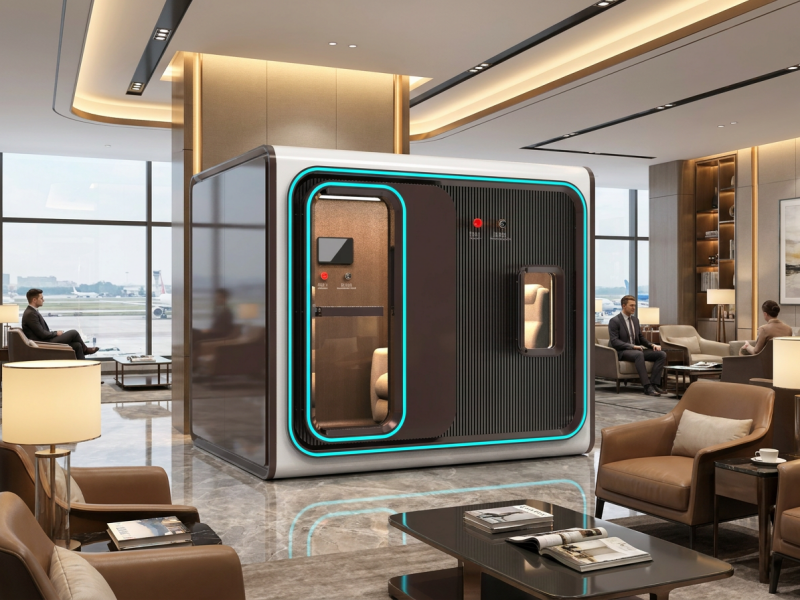
1. Start With the Manufacturer’s Product Portfolio
Before discussing price, first understand what the manufacturer actually produces.
A supplier’s product portfolio can provide useful information about its manufacturing focus and experience.
Depending on your project, you may be looking for:
- Single-person oxygen chambers
- Two-person oxygen chambers
- Mild hyperbaric oxygen chambers
- Micro-high pressure oxygen chambers
- Commercial oxygen wellness equipment
- Customized oxygen chamber solutions
Look at the product range as a whole rather than focusing on only one model.
A manufacturer with several product configurations may be able to provide more options when your project requirements change.
For example, a wellness center, hotel, sports recovery facility, and private residence may have very different requirements for size, capacity, appearance, and configuration.
2. Confirm That the Supplier Has Real Manufacturing Capability
A professional website and product catalog do not necessarily tell you everything about a supplier’s actual manufacturing capability.
When evaluating a potential manufacturer, ask:
- Where is the factory located?
- Does the company manufacture the products directly?
- Which production processes are handled internally?
- How are products assembled?
- How is quality inspected?
- What happens before the product is shipped?
For buyers considering long-term cooperation, understanding the actual production source is important.
Direct communication with a manufacturer can also make it easier to discuss technical requirements, customization, production schedules, and future product development.
3. Understand the Oxygen Chamber Pressure Specifications
Pressure specifications are an important part of oxygen chamber sourcing.
Depending on the model, buyers may encounter different operating pressure configurations, such as 1.3 ATA or 1.5 ATA.
However, buyers should not compare suppliers based on a single pressure number.
Ask the manufacturer to clarify:
- Normal operating pressure
- Maximum physical pressure capability
- Pressure control method
- Pressure-related hardware
- Relief and safety components
- Sealing system
- Pressure testing procedures
It is particularly important to distinguish between normal operating pressure and maximum physical pressure capability.
These are different specifications and should be evaluated separately when comparing products.
For OEM projects, the required pressure specifications should be confirmed during the product discussion and before production begins.
4. Ask About Pressure Testing and Quality Inspection
Quality control is an important part of evaluating an oxygen chamber manufacturer.
Instead of simply asking whether a product has been “tested”, ask how testing is performed.
Questions may include:
- Is pressure testing performed during production?
- What aspects of the chamber are inspected?
- How are sealing conditions checked?
- Are control systems inspected?
- Is there a final quality inspection before shipment?
- What documentation can be provided?
At OxyMega, our engineering team assembles the products and performs pressure testing before the equipment proceeds to the next stage of production.
A structured testing and inspection process can help manufacturers identify potential issues before the product moves to final preparation and delivery.
5. Evaluate the Product Construction
The appearance of an oxygen chamber is only one part of the product.
Buyers should also pay attention to the overall construction and configuration.
Depending on the model, areas to discuss may include:
- Chamber structure
- Door or hatch design
- Sealing components
- Internal space
- Control interface
- Lighting configuration
- Interior materials
- External finish
- Pressure-related components
The importance of each element depends on the intended application.
For a premium hospitality project, exterior appearance and interior experience may be particularly important.
For a commercial wellness facility, operational considerations and space utilization may also become important.
6. Check OEM and ODM Capabilities
For distributors, wellness brands, project companies, and businesses developing their own product lines, OEM capability can be an important consideration.
Before starting an OEM project, ask:
What can actually be customized?
Possible areas may include:
- Logo and branding
- Exterior appearance
- Colors and finishes
- Product dimensions
- Interior configuration
- Control interface
- Selected product features
- Packaging
- Product documentation
A good OEM discussion should begin with the buyer’s actual market and project requirements.
The manufacturer can then determine which requirements can be supported through an existing product platform and which may require additional customization.
7. Match the Product to Your Target Market
The right oxygen chamber depends on more than technical specifications.
Your target market should also be considered.
Wellness Centers
A wellness center may prioritize user experience, visual design, daily operation, and efficient use of available space.
Sports Recovery Facilities
Sports-oriented facilities may look for equipment that fits naturally into a broader recovery environment and can support their intended user capacity.
Spa and Beauty Businesses
Spas may place greater emphasis on appearance, customer experience, and how the equipment fits into the overall interior environment.
Luxury Hotels and Hospitality
Hotels may require a more premium appearance and a configuration that complements an upscale wellness space.
Private Residences
Residential buyers may have specific requirements for product dimensions, room layout, appearance, and user capacity.
Defining the target application before selecting the product can make the sourcing process much more efficient.
8. Compare Suppliers Based on the Complete Project
A quotation is only one part of supplier evaluation.
When comparing two or more manufacturers, consider:
| Evaluation Area | Questions to Consider |
|---|---|
| Product | Does the model match the project requirements? |
| Pressure | Are the operating specifications clearly defined? |
| Manufacturing | Does the supplier have direct production capability? |
| Testing | How are pressure and product conditions inspected? |
| OEM | Can the required customization be supported? |
| Quality | Is there a structured inspection process? |
| Production | Can the supplier support the required quantity? |
| Delivery | Is the production schedule clearly communicated? |
| Communication | Can technical questions be handled efficiently? |
| Support | What information is available after delivery? |
This approach allows buyers to compare suppliers based on the overall project rather than the initial quotation alone.
9. Consider Long-Term Cooperation
For a one-time purchase, product price may be a major consideration.
For a long-term B2B relationship, other factors become increasingly important.
For example:
- Can the manufacturer provide additional units later?
- Can the same product configuration be reproduced?
- Can future OEM requirements be discussed?
- Can the supplier support product updates?
- Can communication remain efficient as the business grows?
These questions are particularly relevant for distributors and brands planning to develop oxygen wellness equipment as part of their product portfolio.
A manufacturer that understands your long-term requirements may be more suitable than a supplier selected only because of an initial low quotation.
10. What Should You Prepare Before Contacting a Manufacturer?
International buyers can make the sourcing process more efficient by preparing basic project information before contacting suppliers.
Consider preparing:
Target Application
For example:
- Wellness center
- Sports recovery
- Spa
- Hotel
- Private residence
- Distribution
- OEM brand
User Capacity
Do you need:
- Single-person equipment?
- Two-person equipment?
- Another configuration?
Product Design
Consider:
- Available installation space
- Preferred appearance
- Interior requirements
- Brand identity
- Configuration preferences
Business Requirements
Also clarify:
- Estimated order quantity
- Target market
- OEM requirements
- Expected delivery schedule
- Required product documentation
The more clearly these requirements are communicated, the easier it is for a manufacturer to evaluate the project.
11. Why Factory Communication Matters
For oxygen chamber projects, communication is not only about price negotiation.
A project may involve discussions about:
- Product specifications
- Pressure requirements
- Materials
- Product configuration
- Customization
- Testing
- Packaging
- Shipping
- Installation conditions
When buyers communicate directly with a manufacturer, these discussions can often be handled more efficiently.
This is particularly useful when a standard product needs to be adapted for a specific market or project.
12. OxyMega’s Approach to Oxygen Chamber Manufacturing
OxyMega focuses on oxygen chamber manufacturing and international B2B cooperation.
Our product range includes different oxygen chamber configurations designed for wellness-focused applications and commercial environments.
Our manufacturing process includes product assembly, pressure testing, quality inspection, and final preparation before delivery.
For OEM and project-based cooperation, we can discuss product requirements such as:
- Product configuration
- Exterior design
- Branding
- Application requirements
- Product specifications
- Customization needs
Our goal is to establish clear communication from the initial product discussion through manufacturing and delivery.
For international buyers sourcing oxygen wellness equipment during Canton Fair 2026, OxyMega can provide direct manufacturer communication for product inquiries and OEM discussions.
Frequently Asked Questions
How should I choose an oxygen chamber manufacturer?
Start by evaluating the manufacturer’s product range, factory capability, product specifications, testing process, OEM support, production capacity, and communication.
What should I ask about oxygen chamber pressure?
Ask about normal operating pressure, maximum physical pressure capability, pressure control, pressure-related hardware, and pressure testing procedures.
Should I choose a manufacturer based on the lowest price?
Price is important, but it should not be the only factor. Product specifications, manufacturing capability, quality control, customization, and delivery should also be considered.
Does OxyMega support OEM projects?
Yes. OxyMega can discuss OEM and customized oxygen chamber requirements based on specific project needs.
What applications can oxygen wellness equipment be used for?
Oxygen wellness equipment can be considered for wellness centers, sports recovery environments, spas, hospitality projects, private residences, and other wellness-focused spaces, depending on the product configuration and applicable requirements.
Can international buyers communicate directly with OxyMega?
Yes. International buyers can contact OxyMega directly to discuss product models, specifications, OEM requirements, and project needs.
Conclusion
Choosing an oxygen chamber manufacturer is an important step in any commercial or OEM sourcing project.
For buyers exploring suppliers during Canton Fair 2026, the best approach is to look beyond product photos and initial quotations.
Evaluate the complete picture:
Product → Manufacturing → Pressure Specifications → Testing → Quality → OEM Capability → Production → Delivery → Communication
A clear understanding of these factors can help international buyers make more informed sourcing decisions and identify suppliers that are better aligned with their long-term project requirements.
Talk to OxyMega About Your Oxygen Chamber Project
If you are sourcing oxygen wellness equipment during the Canton Fair 2026 purchasing season, OxyMega welcomes inquiries from international distributors, wellness brands, hospitality businesses, project companies, and OEM partners.
Whether you are looking for a standard oxygen chamber or discussing a customized project, our team can communicate with you directly about product specifications, application requirements, and OEM possibilities.
Contact OxyMega to discuss your next oxygen chamber project.
OxyMega — Oxygen Chamber Manufacturer & OEM Partner


