
High-altitude environments present unique physiological challenges due to reduced atmospheric oxygen. At altitudes above 3,000 meters, oxygen partial pressure can be less than 70% of sea-level values, which may lead to symptoms including headache, fatigue, and shortness of breath.
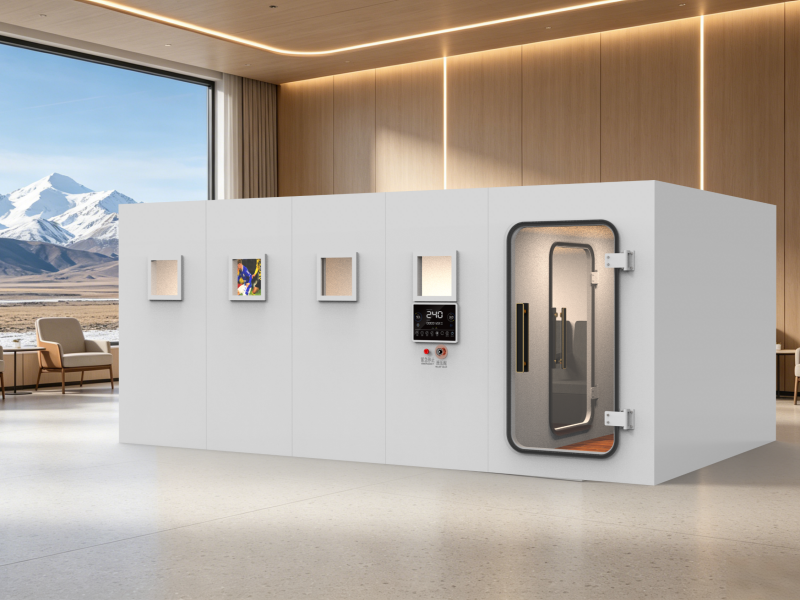
The High-Altitude Challenge
At high altitudes, the reduced atmospheric pressure means that each breath contains fewer oxygen molecules. The body responds through various compensatory mechanisms, but these have limits. For many individuals, altitude-related oxygen deficiency significantly impacts comfort, performance, and sleep quality.
Mild Hyperbaric Applications in High-Altitude Settings
Mild hyperbaric oxygen chambers provide a portable, accessible solution for oxygen wellness at high altitude:
- Altitude Discomfort Support: Sessions may help alleviate discomfort associated with high-altitude environments
- Performance Support: Athletes and workers at altitude may use sessions to help support performance
- Sleep Quality: Improved oxygenation may support better sleep at altitude
- Recovery Support: Post-exercise recovery may be supported even in low-oxygen environments
Disclaimer: Our mild hyperbaric oxygen chambers are wellness and relaxation devices. They are not medical devices and are not intended to diagnose, treat, cure, or prevent altitude sickness or any other medical condition.
Real-World Applications
Mild hyperbaric chambers are being deployed in high-altitude settings worldwide:
- Military Applications: Deployed at high-altitude military facilities to support personnel performance and health
- Tourism: High-altitude hotels and resorts offering oxygen wellness sessions to guests
- Workplace Wellness: Companies operating at altitude providing sessions to employees
- Research Stations: Supporting scientists working in extreme environments
Market Opportunity
The high-altitude application offers B2B buyers:
- Specialized Market: A well-defined customer base with specific needs
- Recurring Revenue: Ongoing demand from facilities operating at altitude
- Premium Positioning: Specialized products can command premium pricing
- Brand Differentiation: Expertise in altitude applications builds brand credibility
Product Considerations for High-Altitude Use
Chambers for high-altitude applications should consider:
- Portability for transport to remote locations
- Robust construction for challenging environments
- Reliable operation at reduced ambient pressure
- Simple operation for users without technical training


