
For wellness brands, distributors and equipment businesses, working with an OEM oxygen chamber manufacturer can be a way to develop products that fit a specific market and brand identity.
However, a successful OEM project requires more than adding a logo to an existing product. Buyers and manufacturers need to align on product design, technical specifications, production requirements and commercial terms before moving forward.
For businesses exploring suppliers during Autumn Canton Fair 2026, here are several points to consider before starting an OEM project.
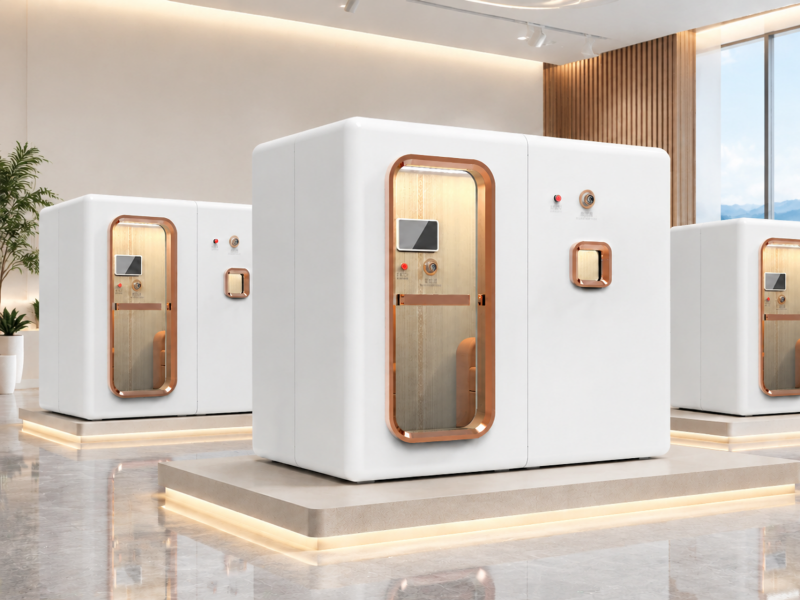
1. Define Your Product Concept
Begin with a clear description of the product you want to develop.
Consider the intended application, target customers, user capacity, approximate dimensions, exterior appearance and preferred interior configuration.
If you have a reference product, photographs, sketches or preliminary drawings, share them with the manufacturer. These materials can help both sides understand the design direction.
A reference product should be treated as a starting point for discussion, not an assumption that every design feature can be reproduced.
2. Separate Essential Requirements From Optional Features
Not every design preference needs to be part of the initial version.
Prepare two lists: essential requirements and optional features. Essential items might include the chamber configuration, dimensions, operating specifications and required safety features. Optional items might include certain finishes, branding details or additional features.
This approach helps the manufacturer assess feasibility and identify which changes may affect cost, production time or engineering work.
Any changes involving pressure, structural components or safety systems require appropriate technical evaluation before they are accepted.
3. Discuss Customization Scope and Costs
OEM customization can involve different levels of work, from branding and exterior finishes to more extensive design changes.
Ask the manufacturer to clarify which modifications are available for the selected model, whether new tooling or engineering work is required, and how these changes affect pricing and minimum order quantities.
Also confirm whether prototype development, sample approval or additional testing may be needed before mass production.
The actual process depends on the product design and the scope of the project.
4. Confirm Specifications Before Production
Once the design direction has been agreed, prepare a written specification for review.
This should cover the product dimensions, materials, configuration, operating pressure, control systems, safety features, electrical requirements, branding and any other project-specific details.
Confirm what inspections and testing will be conducted and what documentation can be supplied.
If the product is intended for a particular country or region, discuss applicable regulatory and documentation requirements early. Do not assume that requirements are identical across markets.
5. Plan MOQ, Lead Time and Future Orders
Commercial terms are an important part of OEM planning.
Ask about the minimum order quantity, unit pricing at different order volumes, expected production lead time and payment terms. If the project involves custom tooling or a prototype, clarify the related costs and timeline separately.
For a new product launch, consider starting with a manageable quantity if the supplier can accommodate it. Before scaling up, establish how repeat orders, product revisions and spare parts will be handled.
6. Choose a Manufacturing Partner You Can Communicate With
OEM cooperation often involves multiple rounds of clarification. Clear communication is therefore essential.
Evaluate whether the supplier can explain technical details, respond consistently to questions and identify potential limitations before production begins.
A factory visit can also help buyers understand the manufacturing and assembly process and discuss project requirements directly with the team.
Discuss Your OEM Project With OxyMega
OxyMega welcomes inquiries from international wellness brands, distributors and businesses exploring oxygen chamber OEM projects.
OxyMega does not have a booth at Autumn Canton Fair 2026. Our factory is located in Foshan, Guangdong, China. Buyers attending the fair can contact us separately to request our catalog, discuss their product concept and inquire about arranging a factory visit.
Share your target market, preferred configuration, reference images and estimated order quantity so that the project can be discussed more efficiently.
Contact OxyMega
If you are looking for an OEM oxygen chamber manufacturer for your next project, visit www.oxymega.com or email info@oxymega.com.
We welcome the opportunity to understand your requirements and discuss potential manufacturing cooperation.


