
Selecting the right mild hyperbaric oxygen chamber requires careful evaluation of multiple factors. This comprehensive guide helps buyers make informed decisions aligned with their specific needs.
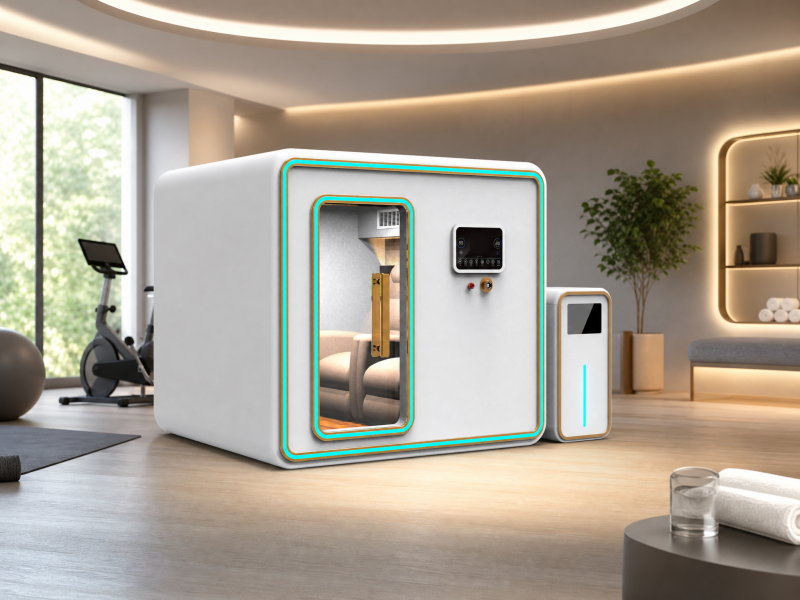
Step 1: Define Your Use Case
- Home Use: Focus on comfort, ease of use, noise level, and aesthetic integration
- Commercial Wellness: Focus on durability, service efficiency, and visual appeal
- Professional/Commercial: Focus on durability, regulatory compliance, and professional appearance
- Sports Recovery: Focus on rapid session times, durability, and professional credibility
Step 2: Choose Chamber Type
- Hard-Shell vs. Soft-Shell: Hard-shell for durability and professional performance; soft-shell for portability and affordability
- Monoplace vs. Multiplace: Monoplace for individual use; multiplace for family or commercial use
- Lying vs. Sitting: Lying for comfort during longer sessions; sitting for space efficiency
Step 3: Verify Technical Specifications
- Pressure Range: Typically 1.3–1.5 ATA for mild chambers
- Oxygen Concentration: Verify the chamber can deliver adequate oxygen levels
- Noise Level: Important for home and wellness center use
- Power Requirements: Ensure compatibility with available electrical supply
- Footprint: Measure available space before purchasing
Step 4: Check Quality and Safety Compliance
- ISO 13485: Quality management certification (widely recognized in the medical device industry, reflecting a commitment to quality systems)
- CE Marking: Required for products sold in the European Union, demonstrating compliance with health and safety requirements
- ASME PVHO-1: Pressure vessel safety standard—critical for pressure-containing equipment
- Local Regulations: Verify specific requirements for your region
Note: Mild hyperbaric oxygen chambers (≤1.5 ATA) are classified as general wellness products in most jurisdictions when no medical claims are made. FDA clearance is not applicable to wellness devices, though reputable manufacturers may maintain facility registration.
Step 5: Evaluate the Manufacturer
- Experience: How long has the manufacturer been in business?
- Track Record: What is the manufacturer’s reputation in the market?
- Certifications: Does the manufacturer maintain relevant certifications?
- Customer Support: Is post-sale support available?
- Spare Parts Availability: Can parts be obtained when needed?
Step 6: Consider Total Cost of Ownership
- Initial Purchase Price: The upfront cost of the chamber
- Installation Costs: Any costs associated with installation
- Operating Costs: Electricity, oxygen, and consumable costs
- Maintenance Costs: Regular maintenance and parts replacement
- Training Costs: Staff training if applicable
Step 7: Request a Demo
Whenever possible, request a demonstration or trial period to verify that the chamber meets expectations for comfort, noise level, ease of use, and effectiveness.
Disclaimer: Our mild hyperbaric oxygen chambers are wellness and relaxation devices. They are not medical devices and are not intended to diagnose, treat, cure, or prevent any disease.


