
The civilian mild hyperbaric oxygen chamber market is experiencing explosive growth as consumers embrace oxygen wellness for recovery, relaxation, and performance optimization. According to Global Info Research, the global mild hyperbaric oxygen chamber market generated approximately US$173 million in revenue in 2025 and is projected to reach US$348 million by 2032, at a CAGR of 11.5%.
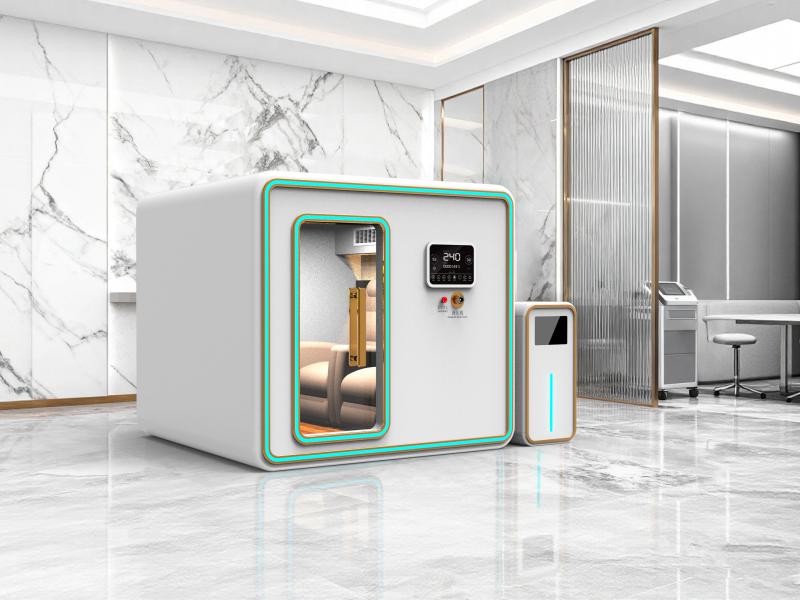
This civilian market surge is driven by several converging factors. First, there is growing recognition of oxygen wellness benefits beyond acute medical treatment. Consumers are discovering that regular mild hyperbaric oxygen sessions may help support sleep quality, accelerate post-exercise recovery, and promote overall well-being. Second, technological advancements have made chambers more accessible—modern units are quieter, more energy-efficient, and easier to operate than their predecessors. Third, the proliferation of wellness centers, boutique fitness studios, and longevity-focused clinics has created new distribution channels and increased consumer awareness.
Disclaimer: Our mild hyperbaric oxygen chambers are wellness and relaxation devices. They are not medical devices and are not intended to diagnose, treat, cure, or prevent any disease.
The commercial wellness sector represents a particularly significant opportunity. Luxury hotels, high-end fitness centers, corporate wellness programs, and wellness spas are increasingly incorporating hyperbaric oxygen chambers as premium amenities. In Manchester, a new wellness studio has opened offering hyperbaric oxygen sessions alongside cryotherapy and red-light therapy. In Vietnam, an integrated wellness centre at a luxury resort now offers mild hyperbaric oxygen sessions as part of its wellness solutions.
For manufacturers, the civilian market demands products that prioritize user experience alongside effectiveness. Key features include intuitive interfaces, quiet operation, aesthetic design, remote monitoring capabilities, and comprehensive safety systems. Digital integration—such as session logging and app-based progress tracking—enhances user engagement and creates new pathways for personalized wellness experiences.


