
Choosing between soft-shell and hard-shell mild hyperbaric oxygen chambers is one of the most important decisions for buyers. Each type offers distinct advantages and trade-offs that must be evaluated based on intended use, setting, and budget.
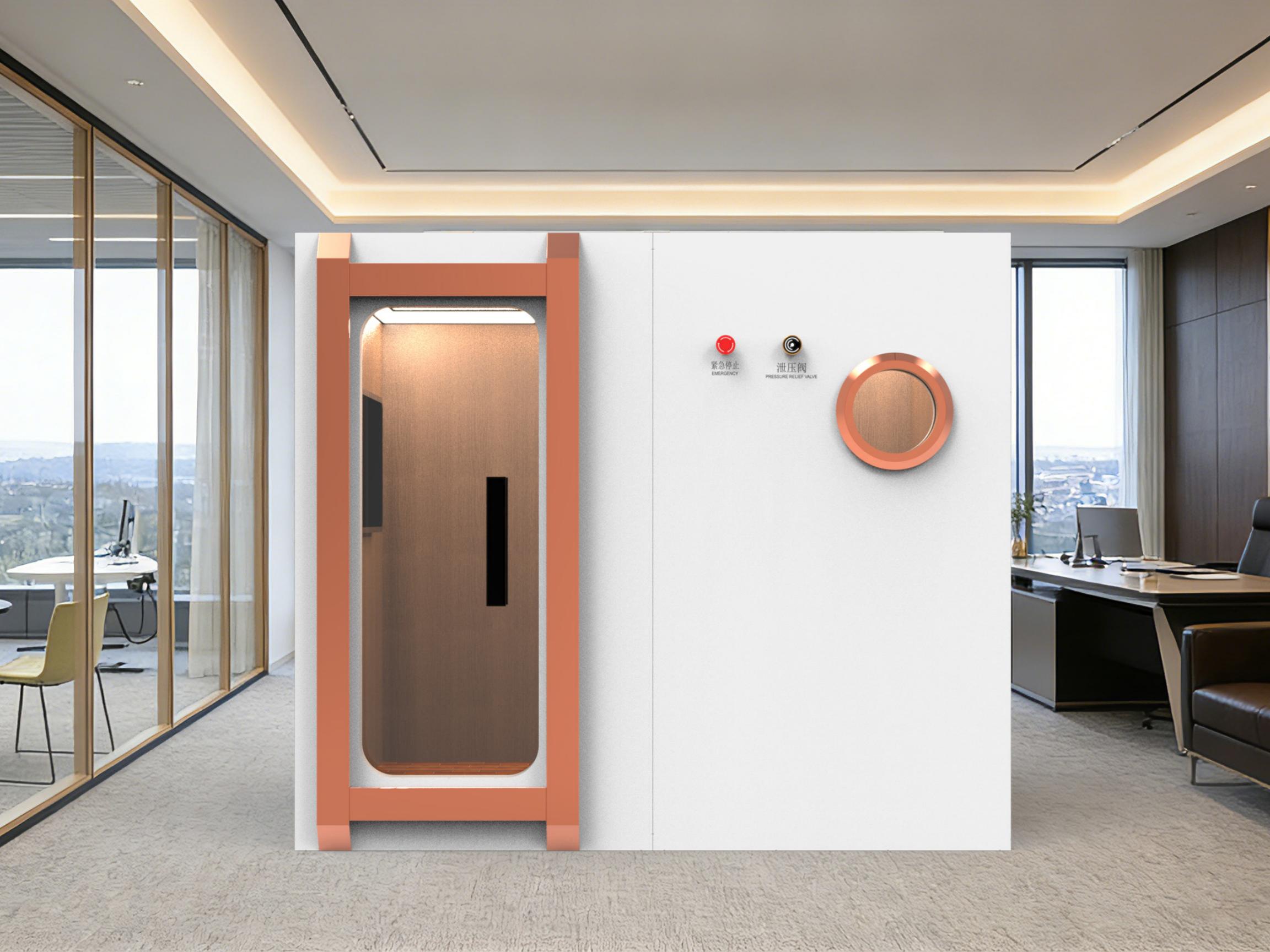
Hard-Shell Chambers
Hard-shell chambers are constructed from rigid materials such as aircraft-grade aluminum, steel, or acrylic. They represent the traditional and more established category of hyperbaric chambers.
Advantages:
- Superior Durability: Hard-shell chambers generally have a longer lifespan than flexible soft-shell counterparts
- Higher Pressure Capability: Hard chambers can deliver higher oxygen concentrations and reach pressures up to 3.0 ATA or higher
- Professional-Grade Performance: Capable of delivering effective wellness sessions suitable for commercial and professional settings
- More Exact Design Standards: Rigid hard-shell chambers are subject to more stringent design standards
- Better Suitability for Professional Settings: Ideal for wellness centers, fitness facilities, and commercial applications
Considerations:
- Higher initial cost
- Larger footprint requiring dedicated space
- Professional installation typically required
- Higher per-session operating costs
Soft-Shell Chambers
Soft-shell chambers use flexible composite materials and are inflatable. They represent the newer, more accessible category of chambers.
Advantages:
- More Affordable: Significantly less expensive than hard chambers, making them accessible to a wider audience
- Portable: Can be set up in a bedroom or home gym without construction
- Easy Installation: No permanent installation required
- Lower Operating Costs: More energy-efficient and less expensive to operate
- Ideal for Home Use: Preferred choice for individuals seeking mild hyperbaric wellness benefits
Considerations:
- Lower pressure capability: typically up to 1.3 ATA
- Lower oxygen concentration: typically less than 30% oxygen
- Less durable than hard-shell chambers
- May not achieve the same level of oxygen saturation as hard chambers
- Not suitable for high-frequency professional use
Selection Criteria
When choosing between soft-shell and hard-shell chambers, consider:
- Intended Use: Wellness and general health maintenance → soft-shell may suffice. Professional or high-frequency use → hard-shell recommended
- Setting: Home use with space constraints → soft-shell. Commercial or professional setting → hard-shell
- Budget: Limited budget → soft-shell. Investment in professional-grade equipment → hard-shell
- Frequency of Use: Occasional use → soft-shell. Daily professional use → hard-shell
The market reflects these different use cases. The global soft hyperbaric oxygen chamber market is projected to grow from US$275 million in 2024 to US$355 million in 2030, while the global mild hyperbaric oxygen hard chamber market represents a significant and growing segment.
Disclaimer: Our mild hyperbaric oxygen chambers are wellness and relaxation devices. They are not medical devices and are not intended to diagnose, treat, cure, or prevent any disease.


