
Sleep difficulties affect a significant portion of the global population, with consequences ranging from reduced daytime performance to diminished quality of life. Mild hyperbaric oxygen sessions are emerging as a non‑pharmacological approach to support healthy sleep patterns through enhanced cerebral oxygenation and autonomic nervous system balance.
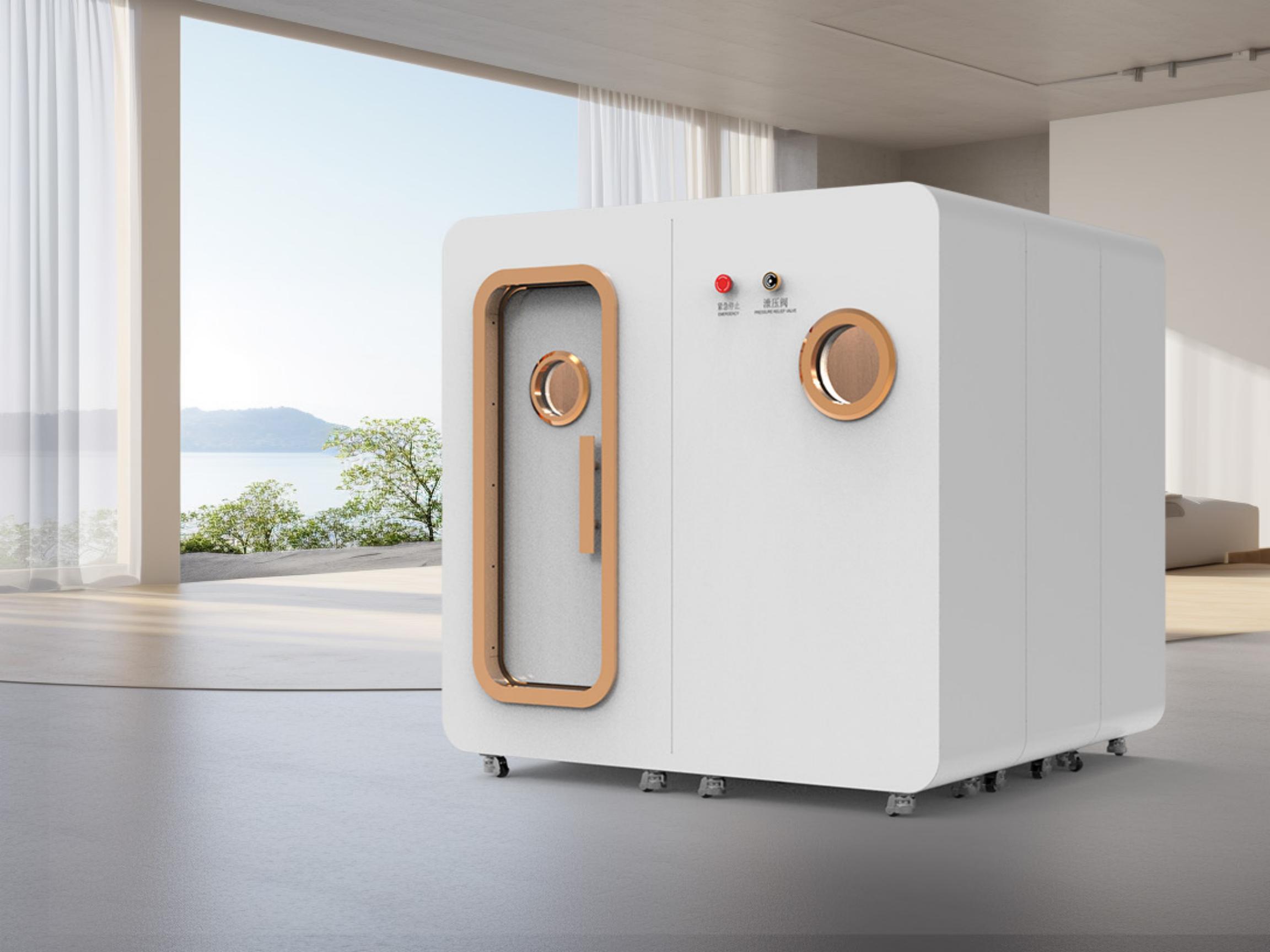
The Sleep‑Oxygen Connection
The brain is the body’s most oxygen‑demanding organ, consuming approximately 20% of total oxygen intake. During sleep, the brain requires adequate oxygen for restorative processes. When oxygenation is suboptimal, sleep quality may be affected.
Mild hyperbaric sessions may support sleep by:
- Enhancing cerebral oxygenation: Increased oxygen delivery to brain tissue supports the natural restorative processes that occur during sleep.
- Supporting autonomic balance: Improved oxygen status may help promote parasympathetic nervous system activity, which facilitates relaxation.
- Reducing factors that can disrupt sleep: The therapy may help address underlying factors such as mild inflammation and oxidative stress.
User Experiences
Many users report improved sleep quality with regular mild hyperbaric sessions. One user shared: “After my first session, I slept through until my alarm for the first time in weeks.” Another noted: “I tried a week of sessions and felt I was falling asleep more easily and sleeping more deeply.”
Individual results vary, and these experiences are not claims of treating insomnia or any sleep disorder.
Applications in Wellness Settings
Mild hyperbaric sessions are being adopted across multiple wellness applications:
- Corporate Wellness: Companies offering oxygen sessions to employees for stress reduction and better rest
- Wellness Centres: Sleep‑focused wellness programs incorporating oxygen sessions
- Hospitality: Hotels offering oxygen sessions as part of sleep enhancement amenities
- Home Use: Consumers purchasing chambers to support their personal wellness routines
Science‑Based Support
Research suggests that improved oxygenation may support healthy sleep architecture. However, our products are wellness devices, not medical treatments. They are designed to complement a healthy lifestyle that includes proper nutrition, regular exercise, and good sleep hygiene.
Always consult your healthcare provider if you have persistent sleep difficulties or any underlying health condition.


