
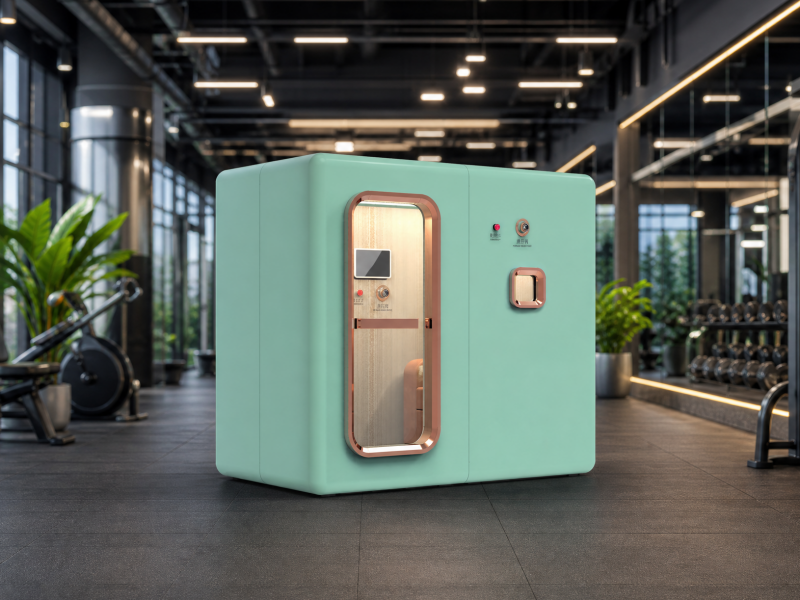
The fitness industry is undergoing a fundamental shift. Today’s gym members aren’t just looking for a place to work out—they’re looking for a complete wellness ecosystem that supports their recovery, performance, and overall well-being. Mild hyperbaric oxygen chambers have emerged as one of the most compelling additions to this ecosystem, transforming how fitness centers differentiate themselves and retain members.
The Recovery Gap in Modern Fitness
For years, the fitness industry has focused almost exclusively on the workout itself. Members come in, push their limits, and leave—often with little guidance on how to optimize the recovery that follows. Yet recovery is where the real progress happens. Muscle repair, glycogen replenishment, and inflammation reduction all occur in the hours and days after exercise. Gyms that address this recovery gap are discovering a powerful competitive advantage.
Mild hyperbaric oxygen chambers fill this gap by providing a science-backed recovery solution that fits naturally into a member’s fitness routine. Operating at gentle pressures of 1.3 to 1.5 ATA, these chambers increase the concentration of oxygen dissolved in blood plasma beyond what hemoglobin alone can carry. This dissolved oxygen reaches tissues with restricted circulation and may support faster recovery from physical exertion.
What the Research Shows
A growing body of scientific evidence supports the recovery benefits of hyperbaric oxygen for athletic populations. A 2025 systematic review and meta-analysis identified that hyperbaric oxygen significantly accelerated recovery from exercise-induced muscle injury. Subgroup analyses further revealed that both higher and lower atmospheric pressures, as well as intervention durations of 60 minutes, were effective in alleviating muscle injury. These beneficial effects were observed in both college students and elite athletes.
Another meta-analysis demonstrated that hyperbaric oxygen significantly reduced post-recovery blood lactate levels (effect size: -1.71), supporting faster metabolic recovery after exercise. Studies have also suggested that hyperbaric oxygen contributes to sustained force production by suppressing muscle fatigue progression.
It’s important to note that while hyperbaric oxygen shows strong evidence for muscle injury recovery, research on muscle soreness (DOMS) has yielded mixed results. However, many athletes and fitness enthusiasts continue to report positive subjective experiences with reduced fatigue and improved readiness for subsequent training sessions.
Why Gyms Are Adding Chambers
Forward-thinking fitness centers are incorporating mild hyperbaric chambers for several compelling reasons:
Member Retention and Differentiation: In a competitive market, offering unique recovery services sets a gym apart. Members who have access to recovery tools like hyperbaric chambers are more likely to remain loyal to their facility.
Recurring Revenue: Unlike traditional gym memberships, hyperbaric sessions generate incremental revenue through per-session pricing, packages, or premium membership tiers. This creates a new revenue stream that complements existing offerings.
Enhanced Member Experience: Members who recover faster train harder and see better results. This creates a virtuous cycle—improved outcomes lead to higher satisfaction, which leads to longer retention.
Attracting Serious Athletes: Fitness centers that cater to serious athletes—from CrossFit enthusiasts to marathon runners—benefit from offering recovery tools that support high-intensity training volumes.
Commercial Viability
Mild hyperbaric chambers designed for commercial settings are available in configurations suitable for fitness centers. Multi-person chambers are particularly efficient for gyms, allowing multiple members to recover simultaneously. Soft-shell portable chambers offer space-saving designs ideal for facilities with limited square footage. Many commercial chambers operate at 1.5 ATA and feature smart digital controls, two-way intercom systems, and low-noise compressors for a comfortable user experience.
The global market reflects this growing demand. In 2025, global sales of mild hyperbaric oxygen chambers are projected to reach approximately 11,570 units, and these devices are increasingly deployed in gyms and fitness facilities. Wellness centers, sports recovery studios, and holistic health programs are among the fastest-growing adopters.
Practical Considerations for Gym Owners
For fitness centers considering adding hyperbaric chambers, several factors should be evaluated:
- Space Requirements: Chambers range from compact single-person units to multi-person configurations. Assess available floor space and choose accordingly.
- Staff Training: Operators should be trained in safe pressurization and depressurization procedures, as well as member education on ear pressure equalization.
- Session Scheduling: Typical sessions last 60 to 90 minutes. Consider how to integrate this into the facility’s workflow.
- Member Education: First-time users should receive guidance on what to expect—the gentle pressure sensation, the ear equalization technique, and the overall experience.
- Marketing Integration: Position the chamber as part of a comprehensive recovery offering alongside stretching, foam rolling, and nutrition guidance.
The Member Experience
A typical hyperbaric session unfolds in three phases: pressurization (8–12 minutes), plateau (approximately 40 minutes at target pressure), and depressurization (8–10 minutes). During the plateau phase, members can rest, read, listen to music, or simply close their eyes. Many gyms position chambers as a calming recovery space—a counterpoint to the intensity of the workout floor.
A Growing Trend
The integration of hyperbaric chambers into fitness centers represents a broader shift in the industry. Consumers increasingly expect recovery to be part of their fitness journey. By offering mild hyperbaric sessions, gyms can meet this expectation while differentiating themselves in a competitive market.
As the fitness industry continues to evolve, the facilities that embrace comprehensive recovery solutions—including mild hyperbaric oxygen chambers—will be best positioned to attract and retain the next generation of health-conscious members.
Disclaimer: Our mild hyperbaric oxygen chambers are wellness and relaxation devices. They are not medical devices and are not intended to diagnose, treat, cure, or prevent any injury or medical condition. The research cited in this article refers to various hyperbaric oxygen studies; individual results from mild hyperbaric sessions may vary. Always consult your physician or qualified healthcare provider before beginning any new wellness program, especially if you have pre-existing health conditions.s, mild hyperbaric chambers are becoming a practical addition to high-altitude facilities worldwide — supporting comfort and well-being in some of the world’s most demanding environments.


