
Sports performance centers have evolved far beyond simple training facilities. Today’s elite training environments are comprehensive ecosystems that integrate conditioning, recovery, sports medicine, and performance optimization under one roof. Mild hyperbaric oxygen chambers have emerged as a cornerstone technology in this evolution—transforming how athletes recover, perform, and sustain their careers.
The Performance Center Challenge
Modern sports performance centers face a fundamental challenge: athletes are training harder, competing more frequently, and recovering less completely. High-intensity training creates microtrauma in muscle tissue, depletes energy stores, and generates metabolic waste that accumulates faster than the body can clear it. Traditional recovery methods—rest, ice, compression, and nutrition—address part of this equation but often fall short of meeting the demands of elite-level training volumes.
Performance centers that address this recovery gap gain a significant competitive advantage. Athletes who support their recovery effectively can train harder, compete more consistently, and sustain peak performance longer. Mild hyperbaric oxygen chambers fill this gap by providing a science-backed recovery solution that integrates seamlessly into a comprehensive performance program.
What the Research Shows
Substantial scientific evidence supports the recovery benefits of hyperbaric oxygen for athletic populations. A 2025 systematic review and meta-analysis identified that hyperbaric oxygen significantly supported recovery from exercise-induced muscle injury. Research on low-pressure hyperbaric oxygen sessions found that lactate concentration and heart rate during recovery were significantly lower in the session group compared to controls.
Data from sports science institutions demonstrates the practical impact: after hyperbaric oxygen sessions, athletes experienced notable reductions in creatine kinase (CK) levels—a key marker of muscle damage—with significantly reduced subjective fatigue and markedly improved recovery efficiency. Elite athletic institutions have adopted this technology thanks to its customizable protocols and proven results.
Research has demonstrated hyperbaric oxygen’s ability to support tissue repair and recovery. Many practitioners note that for injured athletes, hyperbaric oxygen can play a valuable role in supporting the recovery process.
Why Performance Centers Are Adding Chambers
1. Supporting Injury Recovery
Sports injuries are an inevitable part of elite athletics. Muscle strains, ligament sprains, tendonitis, and stress fractures sideline athletes and disrupt training cycles. Mild hyperbaric oxygen sessions may help support the body’s natural recovery processes by delivering enhanced oxygen to areas that need it. The sessions may support tissue health and the body’s natural regeneration mechanisms.
Athletic training facilities incorporate hyperbaric sessions into recovery protocols for athletes dealing with sports injuries or seeking performance optimization. Sports medicine facilities utilize hyperbaric chambers for athlete recovery and performance enhancement.
2. Supporting Training Adaptation
The principle of training adaptation is simple: athletes improve during recovery, not during the workout itself. By supporting the recovery process, hyperbaric sessions may allow athletes to absorb higher training volumes and achieve greater adaptations. Enhanced oxygen delivery reaches deep into working muscles, supporting the body’s natural repair processes.
3. Supporting Training Continuity
For elite athletes, time lost to fatigue and injury is time lost to development. By supporting recovery between training sessions, hyperbaric chambers help athletes maintain consistent training schedules. Athletes can maintain modified training schedules during recovery periods, using the sessions to support recovery between workouts.
4. Supporting Neurological Recovery
Elite performance demands not just physical readiness but cognitive sharpness. Sports medicine professionals increasingly recognize hyperbaric oxygen’s potential to support neurological recovery—enhancing focus, memory, and cognitive function critical in sports demanding high situational awareness.
The Commercial Opportunity
Member Attraction and Retention
In a competitive performance center market, offering advanced recovery technology sets a facility apart. Athletes who have access to recovery tools like hyperbaric chambers are more likely to remain loyal to their training facility. Elite athletic institutions have adopted this technology as a core component of their performance offering.
Recurring Revenue
Unlike traditional training memberships, hyperbaric sessions generate incremental revenue through per-session pricing, packages, or premium membership tiers. Athletic training facilities can incorporate hyperbaric sessions into recovery protocols as part of comprehensive performance packages.
Differentiation in a Competitive Market
Performance centers that offer hyperbaric recovery position themselves as comprehensive athlete development facilities rather than just training venues. This differentiation attracts serious athletes and commands premium pricing.
Professional-Grade Equipment
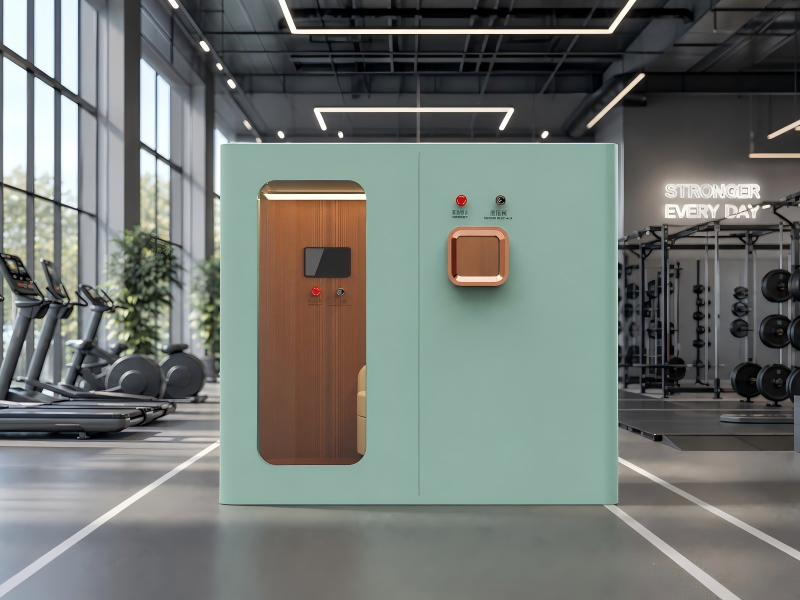
Mild hyperbaric chambers designed for performance center settings are available in professional configurations. Professional-grade chambers feature multiple safety valves, large viewing windows, intuitive controls, and advanced airflow systems that maintain consistent pressure while minimizing noise.
Practical Considerations for Performance Centers
Space and Integration: Chambers range from compact single-person units to multi-person configurations. Modern sports performance facilities integrate hyperbaric chambers into dedicated recovery suites alongside cryotherapy, hydrotherapy, and other recovery modalities.
Staff Training: Operators should be trained in safe pressurization and depressurization procedures. Unlike clinical hyperbaric settings, mild hyperbaric sessions can be integrated into wellness and recovery programs without requiring full medical supervision.
Session Scheduling: Typical sessions last 60 to 90 minutes. Performance centers should consider how to integrate this into athletes’ training schedules—often positioning sessions immediately after training for optimal recovery.
Member Education: Athletes should understand what to expect—the gentle pressure sensation, ear equalization techniques, and the cumulative nature of recovery benefits.
The Future of Performance Center Recovery
Mild hyperbaric oxygen chambers are rapidly transitioning from a niche recovery tool to a standard feature in elite sports performance centers. As the science continues to validate recovery benefits and equipment becomes more accessible, the facilities that embrace this technology will be best positioned to attract and develop the next generation of elite athletes.
The integration of hyperbaric chambers into sports performance centers reflects a broader shift in athletic development: recovery is no longer an afterthought but a core component of training. The performance centers that lead this evolution will define the future of elite sport.
Disclaimer: Our mild hyperbaric oxygen chambers are wellness and recovery devices. They are not medical devices and are not intended to diagnose, treat, cure, or prevent any injury or medical condition. The research cited in this article refers to various hyperbaric oxygen studies; individual results from mild hyperbaric sessions may vary. Always consult your physician or qualified healthcare provider before beginning any new wellness or recovery program, especially if you have pre-existing health conditions.


