
China has emerged as the dominant force in global hyperbaric oxygen chamber manufacturing, housing over 80% of the world‘s active manufacturers. This dominance reflects not only cost efficiency but also advanced industrial ecosystems, robust supply chains, and export readiness.
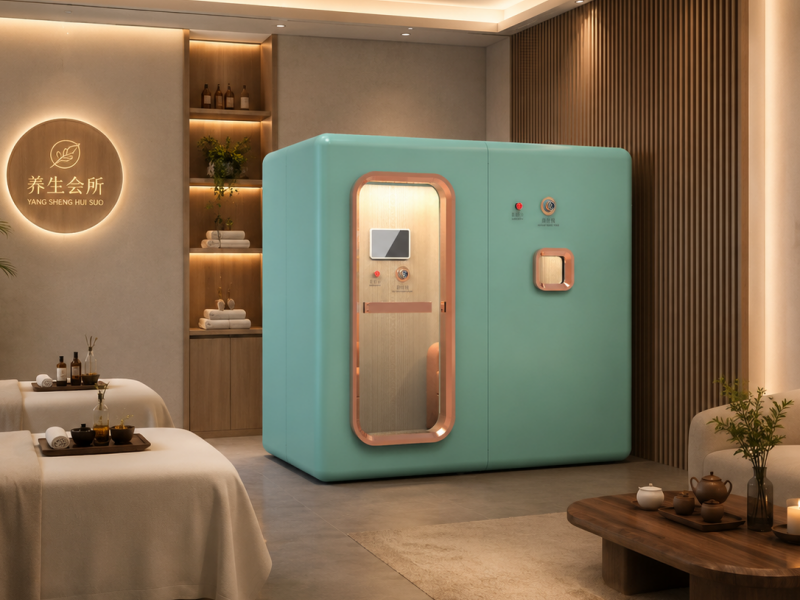
Manufacturing Hubs
China’s hyperbaric chamber manufacturing is concentrated in several key regions:
- Guangdong Province (Shenzhen & Guangzhou) : Home to 70% of top-tier mild hyperbaric chamber suppliers, this region boasts integrated supply chains for precision engineering, electronics, and high-quality materials. Factories average 3,800–8,100 m² with teams exceeding 100 employees, enabling high-volume production and rapid prototyping.
- Shanghai & Jiangsu: Known for strong R&D capabilities and proximity to international ports, these areas attract buyers seeking innovation and fast logistics. Many ISO 13485-certified facilities are located here, offering enhanced traceability and documentation standards.
- Henan & Anhui Provinces: Emerging as cost-effective alternatives, these regions host smaller workshops (300–1,200 m²) specializing in niche configurations such as portable or mild-pressure chambers. They offer agility for custom orders.
Competitive Advantages
China’s manufacturing ecosystem offers several advantages:
- Industrial Clustering: Just-in-time sourcing of components like acrylic cylinders, oxygen concentrators, and digital control systems. This ecosystem supports faster iteration cycles and collaborative troubleshooting.
- Cost Efficiency: Lower labor and material costs translate to competitive pricing without compromising quality when working with reputable manufacturers.
- Scale: High-volume production capacity supports both large commercial orders and rapid prototyping.
- Export Experience: Many manufacturers have extensive experience with international markets and quality certification requirements.
Quality Considerations
While China offers cost advantages, quality varies significantly between manufacturers. Best practices for buyers include:
- Prioritize Manufacturers Over Trading Companies: Direct manufacturer relationships ensure better quality control, customization flexibility, and after-sales support
- Verify Certifications: ISO 13485 (quality management), CE marking (for EU market access), ASME PVHO-1 (pressure vessel safety)
- Request Technical Documentation: ASME PVHO-1 test reports, material safety data sheets, and pressure test records
- Conduct Virtual Factory Audits: Look for cleanroom conditions, calibrated pressure-testing equipment, and documented standard operating procedures
Note on FDA: For wellness devices making no medical claims, FDA 510(k) clearance is not applicable. FDA 510(k) applies only to medical devices marketed for treating specific conditions.
Export Performance
Chinese manufacturers are increasingly export-focused. One leading manufacturer reports that 70% of revenue comes from exports. Products are being exported to North America, Europe, Southeast Asia, and other regions. Manufacturers typically offer CE marking, ISO 13485, and ISO 9001 certifications.
Strategic Implications
For B2B buyers, China represents:
- Cost-Effective Sourcing: Competitive pricing without quality compromise when working with reputable manufacturers
- Scalable Supply: Capacity to meet large-volume orders
- Innovation Pipeline: Access to rapidly evolving technology
- Quality Assurance: Manufacturers experienced with international certification requirements
Disclaimer: Our mild hyperbaric oxygen chambers are wellness and relaxation devices. They are not medical devices and are not intended to diagnose, treat, cure, or prevent any disease.


