
Mild hyperbaric oxygen chambers represent a paradigm shift in how oxygen‑enriched environments are delivered and consumed. Traditional medical hyperbaric chambers have long been confined to hospital settings, operating at 2 to 3 atmospheres absolute (ATA) and requiring specialized medical supervision. These units are primarily utilised for emergency conditions such as decompression sickness, carbon monoxide poisoning, and serious wounds that do not heal.
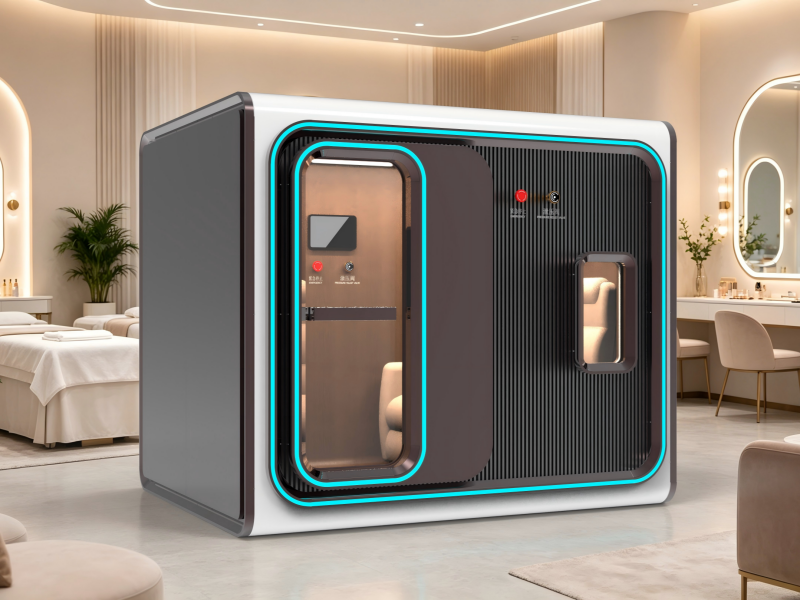
Mild hyperbaric oxygen chambers, by contrast, operate at lower pressure levels typically ranging between 1.3 and 1.5 ATA. This fundamental difference—design pressure not exceeding 0.1 MPa versus standard chambers exceeding 0.1 MPa—has transformed the accessibility and application scope of oxygen‑enhanced wellness.
Please note: Our mild hyperbaric chambers are wellness and relaxation devices. They are not medical devices and are not intended to diagnose, treat, cure, or prevent any disease.
The primary distinctions between mild and medical hyperbaric chambers lie in five key areas:
- Design and Operating Pressure: Medical chambers feature design pressure exceeding 0.1 MPa and operate within 0.06 to 0.15 MPa, whereas mild chambers have design pressure not exceeding 0.1 MPa and operate at 0.01 to 0.05 MPa (approximately 1.3–1.5 ATA).
- Application Scenarios: Medical chambers are employed for hospital‑based acute interventions; mild chambers are predominantly used for general wellness, daily health maintenance, and immune function support.
- Practitioner Qualifications: Operators of medical chambers require specific professional certifications (e.g., hyperbaric operation license). Mild chambers have no such professional prerequisites—they are designed for consumer use with clear instructions.
- Regulatory Frameworks: Medical chambers face strict medical device regulations (FDA Class II). Mild chambers fall under general wellness product regulations, provided no medical claims are made.
- Intended Outcomes: Medical chambers rapidly deliver high‑concentration oxygen to treat specific acute conditions. Mild chambers improve cellular metabolism by increasing overall oxygen content and elevating partial pressure of oxygen within the bloodstream, supporting general vitality, recovery from everyday fatigue, and overall well‑being.
The primary benefits of mild hyperbaric chambers include fatigue relief, promotion of microcirculation, acceleration of post‑exercise recovery, and support for immune system function. This versatility has driven adoption across sports recovery, corporate wellness, beauty and anti‑aging, and home health optimisation.
Recent engineering advances have reduced footprint, improved safety interlocks, and introduced ergonomic designs that enhance user comfort and ease of use. The result is a device that has transitioned from a niche clinical intervention to a broader wellness tool accessible to homes, gyms, and corporate wellness centres worldwide.


