
In the field of health, wellness, and rehabilitation, mild hyperbaric oxygen chambers are gradually moving from professional medical settings into the civilian market, becoming a popular choice for alleviating sub‑health conditions and supporting physical recovery. Unlike the superficial oxygen supplementation of ordinary oxygen inhalation devices, mild hyperbaric oxygen chambers achieve cell‑level deep care through the synergistic effect of “hyperbaric pressure + high‑concentration oxygen”. The scientific principles behind this and the wide range of health benefits are well worth exploring in depth. This article will provide a comprehensive analysis of mild hyperbaric oxygen chambers from three dimensions — core principle, key mechanisms, and specific health value — supported by clinical research and practical applications, helping readers gain a scientific understanding and make reasonable use of this new type of health device.
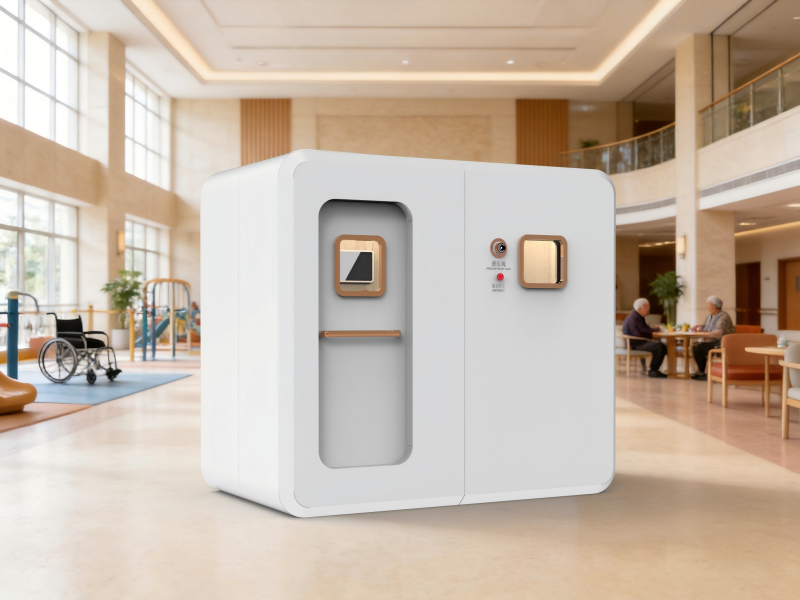
I. Core Working Principle of the Mild Hyperbaric Oxygen Chamber: Breaking Through Normal Pressure Limitations to Achieve Deep Oxygen Supplementation
The core logic of a mild hyperbaric oxygen chamber is to simulate a mild hyperbaric environment (typically 1.1‑1.5 ATA, i.e., 1.1 to 1.5 standard atmospheres) combined with high‑concentration oxygen (purity 85%‑99%), thereby breaking through the oxygen intake bottleneck of the human body under normal pressure and achieving efficient oxygen delivery and utilization. The principle is essentially a practical application of Henry’s Law – the solubility of a gas in a liquid is proportional to the pressure. The mild hyperbaric environment can increase the solubility of oxygen in blood plasma by 10‑20 times, realizing an efficient oxygen‑supplementation mode of “oxygen transport without relying on hemoglobin”.
Under normal atmospheric pressure, the oxygen inhaled by the human body is mainly carried by hemoglobin in red blood cells. Once the hemoglobin reaches saturation, even inhaling more oxygen cannot increase the body’s oxygen supply efficiency, and it is difficult to reach microcirculation dead corners such as the brain, joints, and internal organs. By regulating the pressure inside a sealed space, the mild hyperbaric oxygen chamber allows high‑concentration oxygen to dissolve directly into the blood plasma. This dissolved oxygen does not need to rely on hemoglobin; it can directly penetrate the blood vessel walls and reach various oxygen‑deprived tissues and cells throughout the body, fundamentally solving the problem of chronic hypoxia.
Simply put, a mild hyperbaric oxygen chamber acts like an “oxygen pressurized delivery system”. By physically increasing pressure, it overcomes the limitations of oxygen transport, allowing oxygen to be delivered more efficiently and precisely into cells, providing ample energy for cellular metabolism while activating the body’s own repair mechanisms. This is the core advantage that distinguishes it from ordinary home oxygen bars – the latter only increase local oxygen concentration without changing the pressure environment, achieving only superficial oxygen supplementation and failing to achieve deep repair. Furthermore, standard mild hyperbaric oxygen chambers use intelligent systems to adjust pressure, oxygen concentration, temperature, and humidity in real time, and are equipped with multiple safety sensors to ensure safety during use; their safety redundancy is even eight times higher than that of an aircraft cabin.
II. Key Mechanisms of Action of Mild Hyperbaric Oxygen Chambers: Comprehensive Regulation from Cells to Systems
The health benefits of a mild hyperbaric oxygen chamber are not simply “oxygen supplementation”; rather, through efficient oxygen supply, they trigger multi‑dimensional positive regulation in the body. The core mechanisms can be divided into four major areas, covering cell repair, systemic homeostasis, metabolic optimization, and more.
- Activating cellular energy metabolism. Cells are the basic units of the human body, and mitochondria are the “energy factories” of cells, with oxygen being the core raw material for mitochondria to produce energy (ATP). The ample oxygen provided by a mild hyperbaric oxygen chamber allows mitochondria to function efficiently, increasing ATP synthesis, effectively relieving cellular fatigue, and improving sub‑health conditions such as lethargy and lack of energy caused by insufficient energy – this is the core reason it can quickly relieve chronic fatigue.
- Antioxidation and anti‑inflammatory repair. Long‑term stress, staying up late, environmental pollution, etc., cause the body to produce a large number of free radicals, leading to chronic low‑grade inflammation and accelerating cell aging and organ damage. The mild hyperbaric oxygen chamber can activate the activity of antioxidant enzymes such as superoxide dismutase (SOD) in the body, effectively eliminating free radicals, inhibiting the production of inflammatory factors, promoting the repair of damaged cells, delaying cell aging, and establishing an antioxidant barrier for the body.
- Improving microcirculation and neural regulation. The mild hyperbaric environment promotes angiogenesis, unblocks clogged microcirculation, improves blood and oxygen supply to the heart and brain, and reduces the risk of chronic diseases. At the same time, adequate cerebral oxygen supply can cross the blood‑brain barrier, increase brain tissue oxygen partial pressure by 30%‑50%, regulate the balance between the sympathetic and parasympathetic nervous systems, relieve anxiety and insomnia, and improve sleep quality and memory.
- Optimizing metabolism and boosting immunity. Adequate oxygen accelerates the removal of metabolic waste such as lactic acid and urea, relieving post‑exercise muscle soreness and body edema. At the same time, it enhances the phagocytic ability of white blood cells, increases the activity of immune cells, reduces the incidence of colds and recurrent infections, and helps the body build a stronger immune defense. Thirty‑two global clinical studies have confirmed that a mild hyperbaric environment of 1.3‑1.5 ATA is the golden range for cellular metabolism, increasing stem cell proliferation by 400% – far exceeding the effect of ordinary oxygen inhalation.
III. Core Health Benefits of Mild Hyperbaric Oxygen Chambers: Covering Multiple Populations and Adapting to Multiple Scenarios
Based on the mechanisms above, the health benefits of mild hyperbaric oxygen chambers are broad, suitable for different people and scenarios. Whether for daily wellness, sub‑health management, post‑operative rehabilitation, or sports recovery, they play a significant role. These benefits can be divided into the following categories:
For sub‑health populations, the mild hyperbaric oxygen chamber is an efficient “stress‑relief and repair tool”. Unhealthy lifestyle habits such as staying up late, prolonged sitting, and high mental stress cause many people to be in a state of chronic hypoxia, leading to fatigue, insomnia, dizziness, tinnitus, weakened immunity, and other issues. Regular use of a mild hyperbaric oxygen chamber quickly replenishes cellular oxygen, relieves chronic fatigue, regulates nerve function, improves sleep quality, and helps the body gradually recover from sub‑health – especially suitable for white‑collar workers, programmers, and others who work long hours under high pressure.
For sports populations, the mild hyperbaric oxygen chamber is an efficient “recovery assistant”. After high‑intensity exercise, muscles produce a large amount of lactic acid, causing soreness and fatigue, and muscle fibers undergo micro‑tears. The mild hyperbaric oxygen chamber accelerates lactic acid metabolism, relieves muscle soreness, promotes collagen synthesis and muscle fiber repair, improves post‑exercise recovery efficiency, and extends the anaerobic threshold. Many professional sports teams have already adopted it as a core post‑competition recovery solution.
For middle‑aged and elderly populations, the mild hyperbaric oxygen chamber supports “proactive health”. As age increases, cardiopulmonary function and microcirculation gradually decline, leading to insufficient blood supply to the heart and brain, cognitive decline, joint degeneration, and other issues. The mild hyperbaric oxygen chamber improves cerebral and cardiac oxygenation, prevents cognitive decline, promotes joint tissue repair, boosts immunity, and reduces the risk of chronic disease episodes – an excellent choice for daily maintenance of the elderly.
In addition, mild hyperbaric oxygen chambers also play significant roles in post‑operative rehabilitation, beauty and skin care, and relief of altitude sickness. Post‑surgery use accelerates wound healing and tissue regeneration; long‑term use stimulates collagen regeneration, improves dull skin and wrinkles, and delays photoaging; pre‑exposure use can reduce the incidence of acute mountain sickness by 70%, and it can also quickly relieve symptoms of carbon monoxide poisoning, being six times faster than normobaric oxygen therapy.
IV. Scientific Usage Recommendations and Common Misconceptions Clarified
Although mild hyperbaric oxygen chambers have significant benefits, they must be used scientifically to achieve the best results. It is recommended to use them for 30‑60 minutes per session, 2‑3 times per week, persisting for 1‑2 cycles (4‑8 weeks) to see noticeable effects. Follow operating procedures, avoid bringing flammable or explosive items, and special populations such as those with severe cardiopulmonary disease, pneumothorax, or pregnant women should use the chamber only under professional medical guidance.
At the same time, several common misconceptions need clarification:
“Higher pressure is better”. In fact, pressures exceeding 1.75 ATA increase the risk of oxygen toxicity by 17 times. The mild pressure range of 1.1‑1.5 ATA is the safe and effective golden zone.
Regarding it as a “luxury toy for the rich”. Its core value lies in scientific oxygen supplementation and activating the body’s self‑healing ability, not as a mere luxury item.
“The more oxygen you breathe, the better”. Excessive oxygen inhalation can actually burden the body; one must follow scientific frequency and duration.
The emergence of the mild hyperbaric oxygen chamber is an inevitable product of the development of health technology. Its core value lies in solving the problem of chronic hypoxia through scientific and safe means, activating the body’s own repair capabilities, and realizing the health concept of “preventive treatment”. Whether for sub‑health management, sports recovery, or elderly care, it provides efficient health support. As technology continues to mature, mild hyperbaric oxygen chambers are gradually entering more households, becoming an important assistant in safeguarding people’s health. With ongoing research, their application fields are expected to expand further, bringing health benefits to even more people.


