
With the continuous upgrading of the broader health industry, mild hyperbaric oxygen chambers have become one of the core supporting pieces of equipment in wellness centers. Leveraging their gentle and safe oxygen therapy benefits, they can be precisely adapted to diverse scenarios such as elderly wellness, post‑operative rehabilitation, and sub‑health management, making them key to enhancing the core competitiveness of wellness centers. However, the current market is flooded with numerous brands and complex specifications, with huge differences ranging from portable home models to professional commercial units. Many wellness centers, when making a purchase, easily fall into pitfalls such as “inflated specifications”, “scenario mismatch”, and “unreliable after‑sales service”. Based on industry real‑world data from 2026 and the practical operational needs of wellness institutions, this article deconstructs the selection logic from core dimensions, helping wellness centers make accurate choices, avoid risks, and balance service quality with operational efficiency.
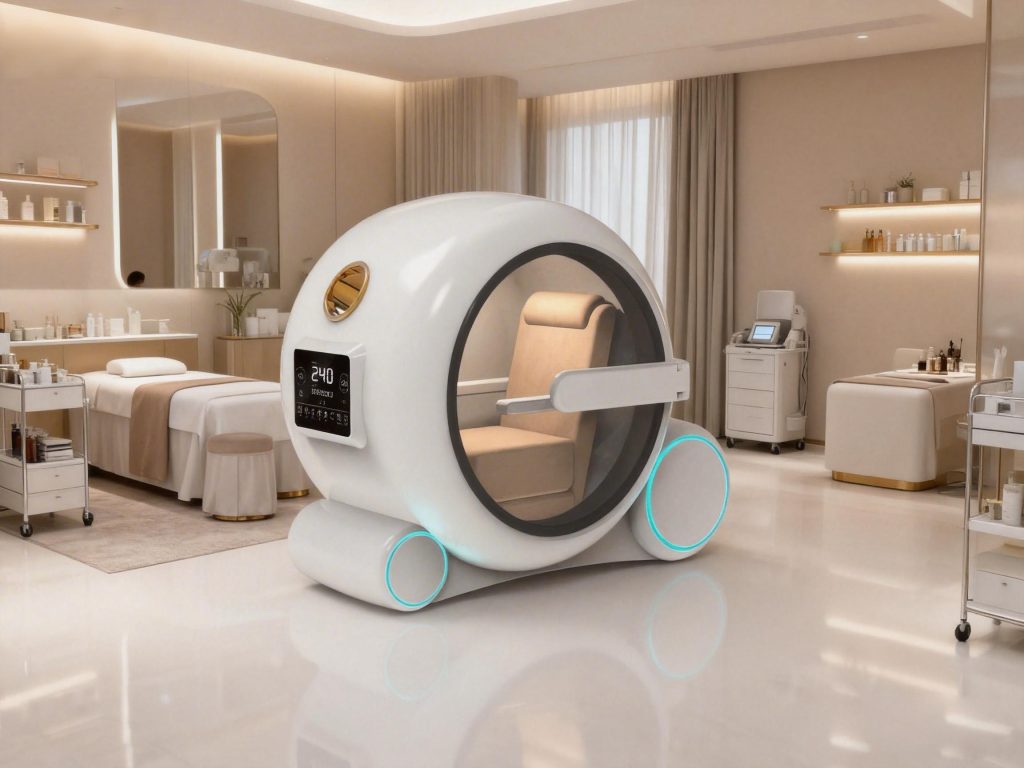
As hyperbaric oxygen therapy gains popularity in the wellness industry, adding a mild hyperbaric oxygen chamber (mHBOT) to your center can be a powerful way to stand out. But with many options on the market, how do you select the right one? This guide walks you through the key decision points.
First, pressure matters most. Pressure is measured in ATA (atmospheres absolute), and it directly determines therapeutic effectiveness. A chamber operating at only 1.3 ATA provides mild relaxation at best. In contrast, a chamber that reaches 1.5 ATA significantly enhances tissue oxygenation, delivering real results in athletic recovery, anti-aging, sleep improvement, and cognitive support. For any professional wellness center, choosing a chamber that can achieve at least 1.4 to 1.5 ATA is essential.
Second, decide between soft-shell and hard-shell chambers. Soft-shell chambers are lightweight, portable, and more affordable, typically ranging from 4,000 to 20,000 USD. They work well for small spas or mobile services, but their zipper-based construction may require more maintenance over time. Hard-shell chambers, made of steel or carbon fiber, offer higher pressure capability (1.5 ATA and above), a premium appearance, and much greater durability. Prices range from 20,000 to over 100,000 USD. For a wellness center focused on client experience and long-term return on investment, a hard-shell chamber is usually the better choice.
Third, never compromise on safety features. A suitable chamber must include dual automatic pressure relief valves plus an emergency manual release. It should have real-time monitoring of chamber pressure and oxygen concentration, as well as an internal-external emergency communication system. Additional critical protections include an automatic oxygen concentration upper-limit cutoff, temperature and humidity monitoring with abnormal alerts, and short-circuit and leakage electrical protection. Be very cautious with low-cost products that look good on the outside but lack these essential safety systems.
Fourth, pay attention to core technical parameters. The oxygen concentration delivered to the user should be at least 90 to 93 percent for effective therapy. Noise level is equally important for client comfort: look for chambers operating at 50 decibels or lower, with premium units reaching 40 decibels or less. The pressurization and depressurization rate should be smooth and adjustable to prevent ear discomfort. Finally, the chamber should have temperature control within the range of 18 to 28 degrees Celsius, ensuring comfortable use all year round.
Fifth, calculate the total cost of ownership and evaluate after-sales support. Beyond the purchase price, factor in installation costs, utilities, and ongoing maintenance such as filter and seal replacements. Staff training and annual safety inspections also add to the long-term cost. Choose a manufacturer with proven in-house production capacity, stable quality control, and a reliable service network. Always ask for real-world references from other wellness centers that have installed their chambers.
In conclusion, selecting the right mild hyperbaric oxygen chamber for your wellness center comes down to a few key priorities: a pressure capability of at least 1.5 ATA, a hard-shell design if budget allows, complete safety features, low noise operation, and dependable after-sales support. Making the right choice is a strategic investment that will drive client satisfaction, repeat business, and long-term returns. For personalized recommendations or configuration advice, please contact our expert team.


