
Understanding the distinction between mild hyperbaric chambers and medical hyperbaric chambers is essential for buyers, distributors, and end‑users. While both devices operate on similar physical principles (increased pressure and oxygen concentration), they differ significantly in design, application, and regulatory status.
Pressure Parameters
Medical hyperbaric chambers typically feature design pressure exceeding 0.1 MPa and operate within a range of 0.06 to 0.15 MPa (2–3 ATA). They deliver 100% oxygen under strict medical supervision.
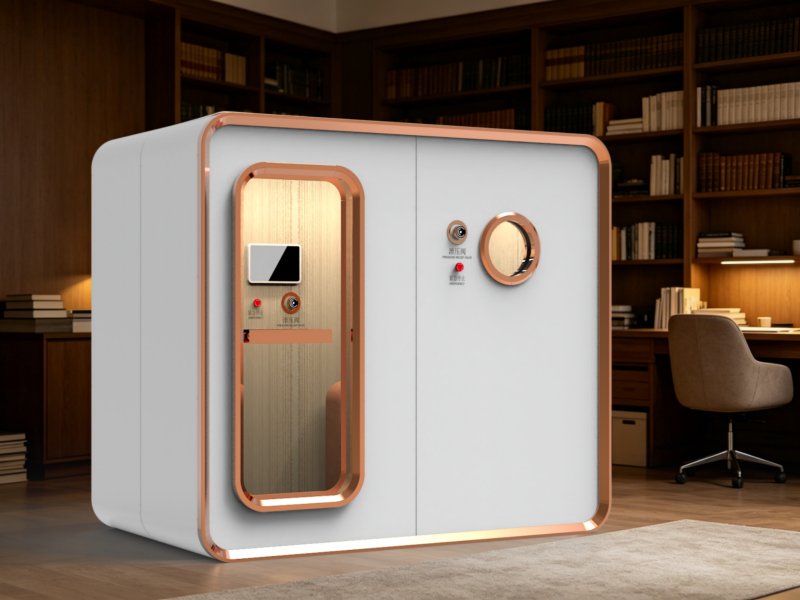
Mild hyperbaric chambers have design pressure not exceeding 0.1 MPa and operate within a range of 0.01 to 0.05 MPa (1.3–1.5 ATA). They are designed for wellness use with ambient air enriched to safe oxygen levels (typically 21–25% O₂).
Application Scenarios
Medical hyperbaric chambers are employed for hospital‑based interventions for specific acute conditions approved by regulatory bodies (e.g., FDA‑cleared indications such as decompression sickness, carbon monoxide poisoning, and gas embolism).
Mild hyperbaric chambers are predominantly used for general wellness, daily health maintenance, and immune support. Applications include fatigue relief, sports recovery, sleep quality support, anti‑aging, and cognitive performance support.
Practitioner Qualifications
Operators of medical chambers are required to hold specific professional certifications and operate under physician supervision.
There are no such professional prerequisites for mild chambers. They are designed for safe consumer operation, with clear user manuals and intuitive controls.
Regulatory Status
Medical HBOT devices are Class II medical devices cleared by the FDA through the 510(k) process. In Europe, they require CE marking under the Medical Device Regulation.
Mild hyperbaric chambers are classified as general wellness devices in most jurisdictions, provided manufacturers make no medical claims. Reputable manufacturers nevertheless maintain ISO 13485 quality management certification and may obtain CE marking for product safety, not for medical efficacy.
Intended Outcomes
Medical chambers alleviate symptoms of specific acute conditions by rapidly delivering high‑concentration oxygen to tissues.
Mild chambers improve cellular metabolism by increasing overall oxygen content in the blood, supporting general vitality, recovery from everyday fatigue, and overall well‑being.
Important Disclaimer: Our mild hyperbaric chambers are not intended to replace medical care. If you have a medical condition, please consult your healthcare provider before use. These devices are designed for wellness purposes only.


