
A mild hyperbaric oxygen chamber is a sophisticated system comprising multiple integrated subsystems working in concert to deliver safe, effective oxygen wellness sessions. Understanding these components helps buyers evaluate quality and make informed purchasing decisions.
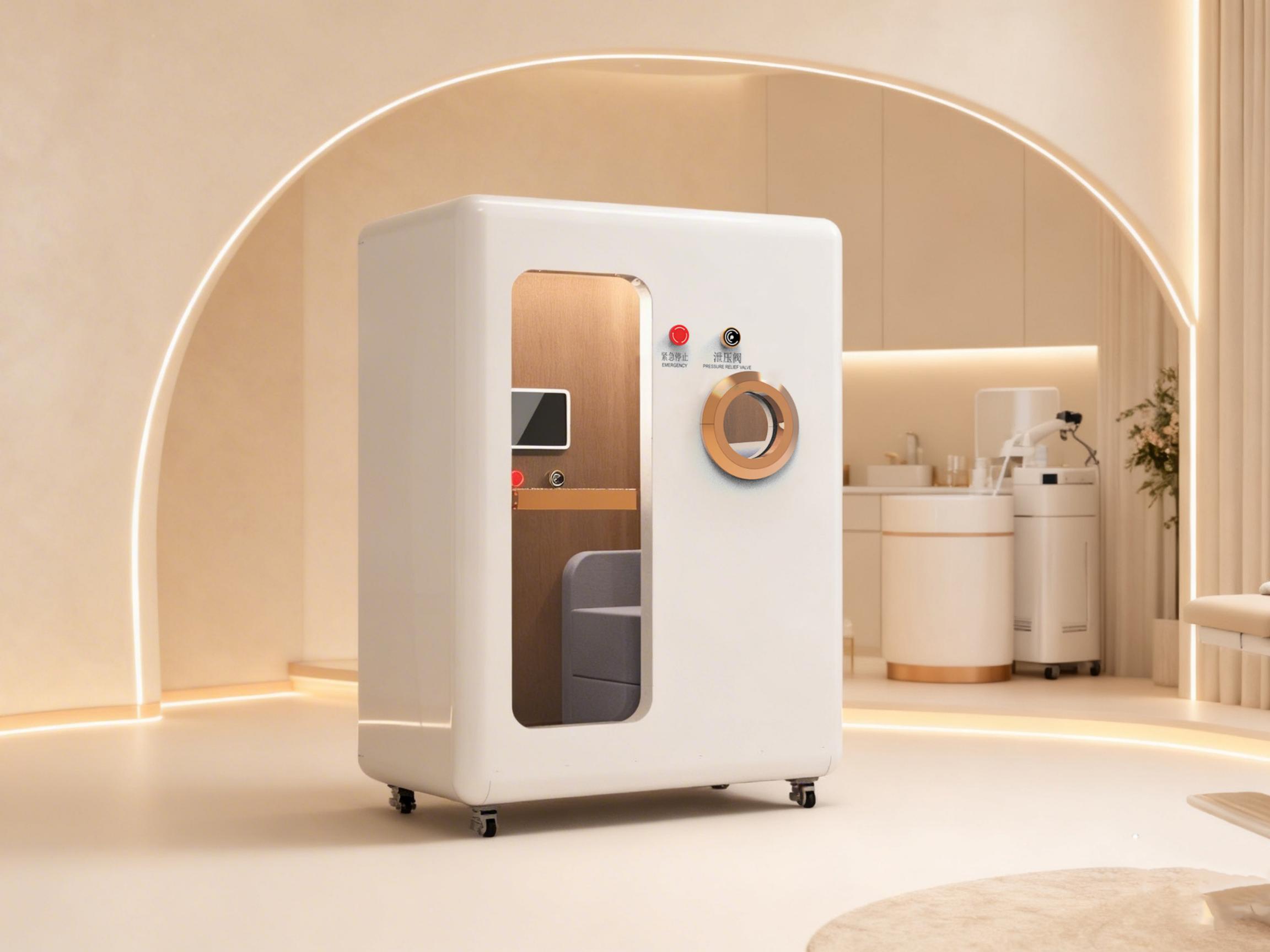
Chamber Shell and StructureChamber Shell and Structure
The chamber shell is the primary enclosure that maintains the pressurized environment. Chambers are categorized as hard-shell or soft-shell designs. Hard-shell chambers are typically constructed from high-strength materials such as aircraft-grade aluminum, acrylic, or steel. They offer superior durability, longer lifespan, and higher pressure capabilities. Soft-shell chambers use flexible composite materials, offering portability, lower cost, and easier installation. Soft chambers typically provide less than 30% oxygen and a maximum of 1.5 ATA.
Pressure Control System
The pressure control system regulates chamber pressurization and depressurization. It includes an air compressor capable of variable air delivery (typically 20-100 L/min) while maintaining low noise levels for a comfortable experience. Precision pressure control is essential for both session effectiveness and user safety. Pressure sensors provide real-time monitoring, and automatic pressure relief valves ensure safe operation.
Oxygen Delivery System
The oxygen delivery system supplies oxygen to the chamber. Reputable systems use medical-grade oxygen concentrators (producing ≥93% purity oxygen), with flow rates adjustable from 0 to 10 L/min. Oxygen concentration within the chamber must be carefully controlled—the safe upper limit is ≤25% to minimize fire risk, with compliant brands typically maintaining diffuse oxygen concentration between 21% and 25%.
Monitoring and Control Systems
Modern chambers feature intuitive digital control panels with touchscreen interfaces for precise adjustment of pressure, oxygen flow, and session parameters. Advanced systems include:
- Pressure monitoring with real-time display
- Oxygen concentration monitoring with audible alarms
- Temperature and humidity control
- Session logging
- Remote monitoring capabilities
Safety Systems
Safety is paramount in any pressurized oxygen environment. Comprehensive safety systems include:
- Automatic Pressure Relief: Emergency depressurization systems that activate if pressure exceeds safe limits
- Oxygen Concentration Alarms: Audible and visual alarms if oxygen concentration exceeds safe thresholds
- Emergency Communication: Two-way communication systems allowing users to contact attendants
- Fire Prevention: Fire-resistant materials, static electricity prevention, and proper grounding
- Fail-Safe Mechanisms: Redundant safety systems that maintain safe operation even if primary systems fail
Ergonomic Design Features
Modern chambers incorporate ergonomic considerations for user comfort:
- Comfortable seating or lying surfaces
- Transparent windows for visual comfort and attendant visibility
- Quiet operation for relaxation during sessions
- Climate control for optimal temperature and humidity
- Entertainment systems (audio/video) for longer sessions
When evaluating chambers, buyers should examine the quality of each component system. Manufacturers with ISO 13485 certification and international quality certifications (CE) demonstrate commitment to quality and safety throughout their product development and manufacturing processes.
Disclaimer: Our mild hyperbaric oxygen chambers are wellness and relaxation devices. They are not medical devices and are not intended to diagnose, treat, cure, or prevent any disease.


