
Safety is the foremost consideration for any pressurized wellness device. Mild hyperbaric oxygen chambers operate at gentle pressure levels (1.3–1.5 ATA) that are well-tolerated by most users. However, all pressurized oxygen environments require careful attention to safety protocols. Understanding these safety considerations helps buyers select quality products and users maintain safe operation.
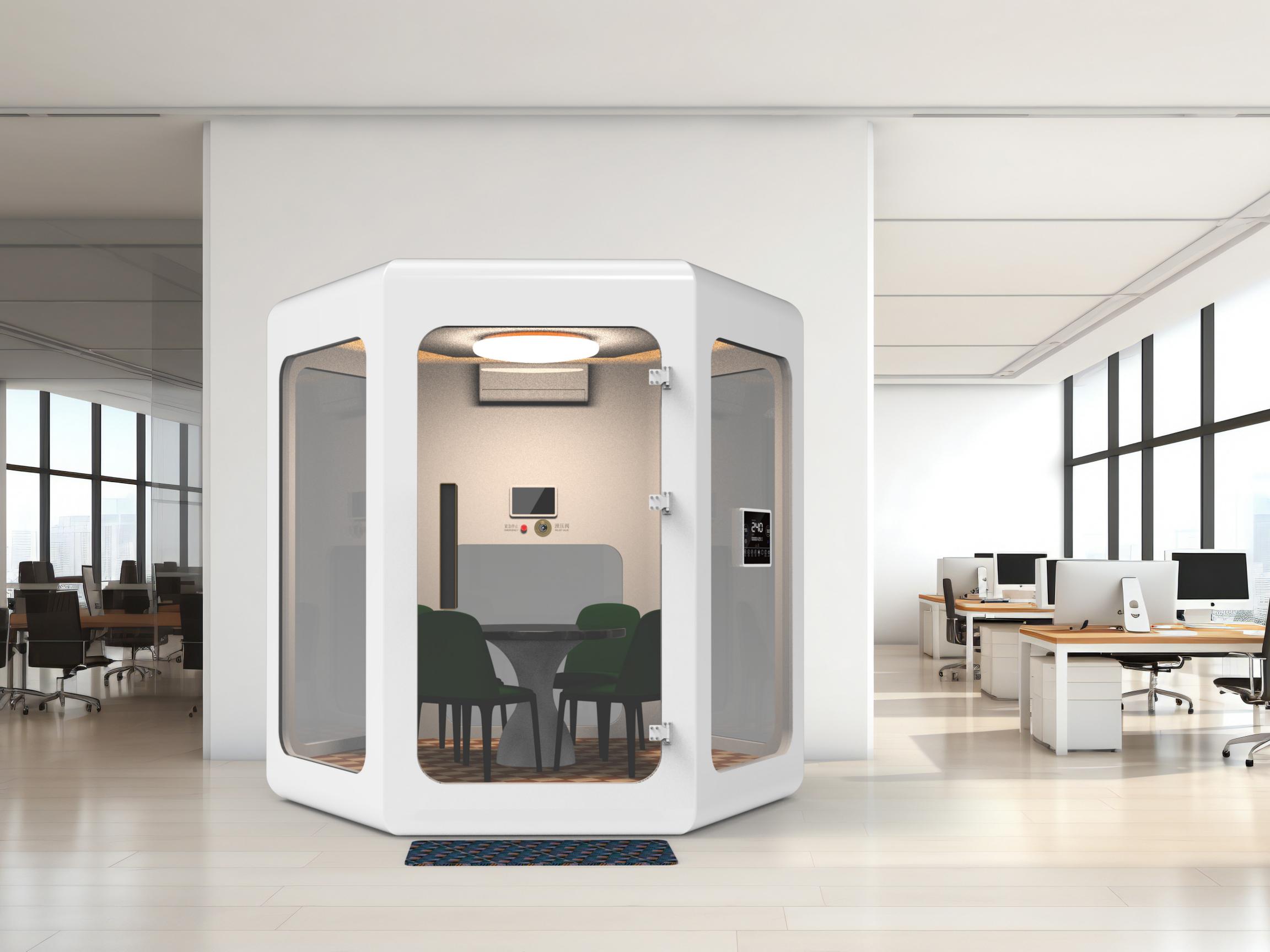
Regulatory and Safety Standards
Medical hyperbaric oxygen chambers (operating at 2–3 ATA with 100% oxygen) are regulated as Class II medical devices by the U.S. FDA. Mild hyperbaric oxygen chambers (≤1.5 ATA) are not medical devices and are not subject to FDA medical device regulations. They are classified as general wellness products in most jurisdictions, provided manufacturers make no medical claims.
However, reputable manufacturers of mild hyperbaric chambers still adhere to rigorous safety and quality standards:
- ISO 13485: Quality management system certification (widely recognized in the medical device industry, reflecting a commitment to quality)
- CE Marking: Required for products sold in the European Union, demonstrating compliance with health and safety requirements
- ASME PVHO-1: Pressure Vessels for Human Occupancy standard—a critical safety standard for pressure vessels
- IEC 60601: International standard for electrical medical equipment safety (applicable to electrical components)
Fire Safety
Fire risk is the most significant safety concern in oxygen-rich environments. It is widely recognized that there is a heightened risk of fire in oxygen-enriched environments. Reputable manufacturers address this through:
- Fire-resistant chamber materials
- Static electricity prevention measures
- Proper electrical grounding
- Oxygen concentration monitoring with automatic safety cutoffs (maintaining ≤25% O₂)
- Fire extinguisher placement near chambers
Operational Safety
Safe operation requires adherence to established protocols:
- Keep the chamber quiet and clean
- No smoking in or near the chamber; avoid smoking 2 hours before use
- Do not touch control panels or devices inside the chamber unnecessarily
- Follow proper pressurization and depressurization procedures
- Ensure proper training for all operators
- Follow manufacturer-recommended cleaning procedures and maintenance intervals
User Considerations
As with any wellness program, individuals with pre-existing health conditions should consult their healthcare provider before beginning regular use. It is important to follow all manufacturer instructions and safety guidelines. Pregnant individuals and those with specific medical histories should seek professional medical advice prior to use.
Quality Certification as a Safety Indicator
For buyers, regulatory and quality certifications are key indicators of product safety. Reputable manufacturers maintain ISO 13485 quality management certification. For European markets, CE marking under applicable directives is required. ASME PVHO-1 certification (Pressure Vessels for Human Occupancy) is another important safety standard for chambers sold in many markets.
Important Note: While these certifications demonstrate a manufacturer‘s commitment to quality and safety, they do not indicate that the product is a medical device or has been approved for medical use. Our mild hyperbaric chambers are wellness devices, not medical devices.
Disclaimer: Our mild hyperbaric oxygen chambers are wellness and relaxation devices. They are not medical devices and are not intended to diagnose, treat, cure, or prevent any disease. Always consult your physician or qualified healthcare provider before beginning any new wellness program, especially if you have pre-existing health conditions.


